about 100 km
Innsbruck airport to St Anton
The Ski Arlberg arrival page and an independent transfer company both give roughly this road distance.
Source: Alps2Alps
Decide the transfer before you fall for a chalet. A flight into the wrong airport can take most of the arrival day, and with a group of ten or more the transfer is a real part of the planning, with luggage, ski bags and children to move. One airport can be close to one village and far from the next, so every distance below is given per resort, using the figure a tourist board or lift company states and an independent source confirms.
Where two sources disagree on a number, we leave the number out and describe the route instead. That is why some resorts below have a road distance and others only a train route. The driving sections cover what changes once you cross into Austria: the digital vignette, the extra tolls on a few Alpine routes, the winter tyre rule and the kit you must carry. The last section covers passports, the new EU border checks and travelling with a dog.
Decide the transfer before the chalet. A cheap flight into the wrong airport can cost you the afternoon of your arrival day.
At a glance
The Ski Arlberg arrival page and an independent transfer company both give roughly this road distance.
Source: Alps2Alps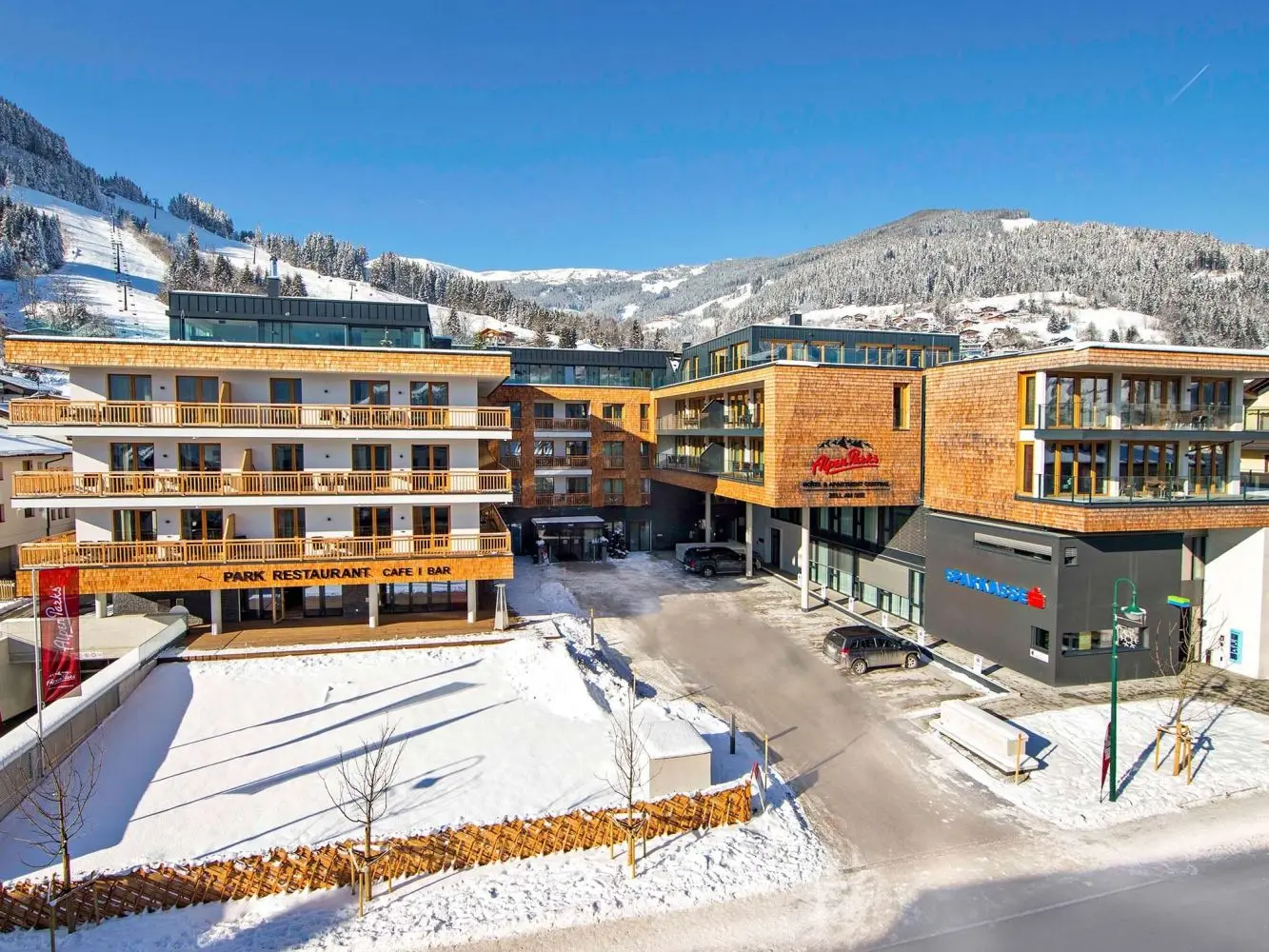
The Sölden tourist board gives this figure and about an hour and a quarter by road.
Source: Alps2Alps
Bus line F links Innsbruck airport with the main railway station, where the trains for the resorts leave.
Source: Innsbruck Airport, Ischgl tourist board
An annual or two-month digital vignette bought online as a consumer only becomes valid on the 18th day after purchase.
Source: oesterreich.gv.at, Austrian National Tourist Office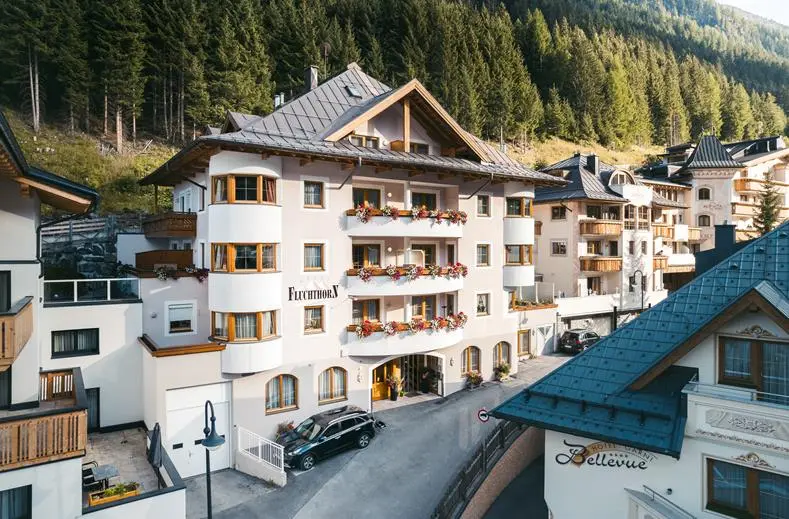
The legal minimum for radial winter tyres on cars in Austria.
Source: Austrian transport ministry (BMIMI), ÖAMTC
UK citizens can spend up to 90 days in any 180-day period in the Schengen area without a visa.
Source: GOV.UK, European Commission Migration and Home AffairsChoose your route
Best placed for St Anton, Sölden, Ischgl and the Zillertal. Start with the chalets in western and central Tyrol.
ExploreThe nearest airport for Zell am See and Kitzbühel, and the usual gateway for Saalbach. See the chalets on this side of the Alps.
ExploreSt Anton has a station in the village, a short walk from the lifts, with direct trains from Innsbruck and Zürich.
ExploreIf the car is coming because the dog is, start with stays where pets are confirmed.
ExplorePick the airport
Choose the airport by the valley, not by the flight. St Anton, Sölden, Ischgl and the Zillertal lie in western and central Tyrol, and Innsbruck is the nearest airport for all of them. Zell am See, Saalbach and Kitzbühel lie further east, where Salzburg is the nearest airport. Munich and Zürich have more flights but add distance. The overview of chalets in Tyrol is grouped by valley for the same reason.
From Innsbruck airport, the Sölden tourist board gives 83 km and about an hour and a quarter by road. St Anton and Ischgl are both around 100 km away, and a transfer company puts Mayrhofen in the Zillertal at about an hour. These are clear-weather times. Transfer companies warn that snow and peak-season traffic can add to them, so plan the arrival day with slack rather than a tight connection to a dinner booking or a ski hire slot.
On the Salzburg side, the Zell am See tourist board and an independent ski guide both put Salzburg airport under 100 km from Zell am See, with Innsbruck at about 150 km. For Kitzbühel, both list Salzburg as the closest airport and Innsbruck at around 100 km. For Saalbach, an independent ski guide and a transfer company both give Salzburg at about 86 km. Start with the chalets in Salzburgerland if Salzburg is your airport.
Munich and Zürich work for some resorts and not others. Zürich is about 200 km from St Anton and about 235 km from Ischgl, and Friedrichshafen on Lake Constance is about 130 km from St Anton. From Munich, Sölden and Ischgl are both well over 200 km by road, while transfer companies put Mayrhofen at around two hours on a clear day. Compare the whole journey, door to door, before you compare flight times.
See:All guidesHotels and apartment hotels in the Austrian Alps
The Arlberg run
Innsbruck airport to St Anton is about 100 km, and by road it takes a little over an hour when the roads are clear. The Ski Arlberg arrival page calls it just over an hour's drive, and one independent transfer company gives about an hour and a quarter, with up to an hour and a half in traffic or poor weather. A private or shared transfer is the simplest option for a group, because it collects you at arrivals and drops you at the door.
The train is a strong alternative, because St Anton am Arlberg station is in the village, a short walk from the cable car stations. An independent ski guide puts it about five minutes on foot from the Galzigbahn and the Rendlbahn. Take bus line F from the airport to Innsbruck main station, about 20 minutes, then a direct train west to St Anton. Ski Arlberg lists direct Railjet and EuroCity trains from Innsbruck and from Zürich, so there is no change on the way.
Which suits you depends on where the chalet stands. A house close to the station and the lifts makes the train easy. Chalet Marmotta Neve sits directly on the piste, so the last stretch is short in winter. Chalet Christiane lists the lift at 1,200 metres, and Chalet Alpinum lists it at 3 kilometres, so for those two a door-to-door transfer saves dragging bags across the village. Ask the owner how guests usually arrive, and whether a pick-up from the station is possible.
Driving yourself means the Inn valley motorway west from Innsbruck, which needs a vignette. If you continue through the Arlberg road tunnel towards Vorarlberg, that tunnel has its own section toll on top. If you drive, ask the owner about parking at the house before you arrive. Our page on chalets in St Anton shows which houses are closest to the lifts.
Compared
| Resort | Innsbruck (INN) | Munich (MUC) | Other airport |
|---|---|---|---|
| St Anton am Arlberg | About 100 km | About 260 km | About 200 km (Zürich) |
| Sölden | 83 km (about 1 h 15) | 231 km (about 3 h 15) | 281 km (Zürich, about 3 h 30) |
| Kitzbühel | 96 km | 127 km | 81 km (Salzburg) |
| Ischgl | About 100 km (about 1 h 20 by transfer) | Not confirmed | Not confirmed |
Ötztal and Paznaun
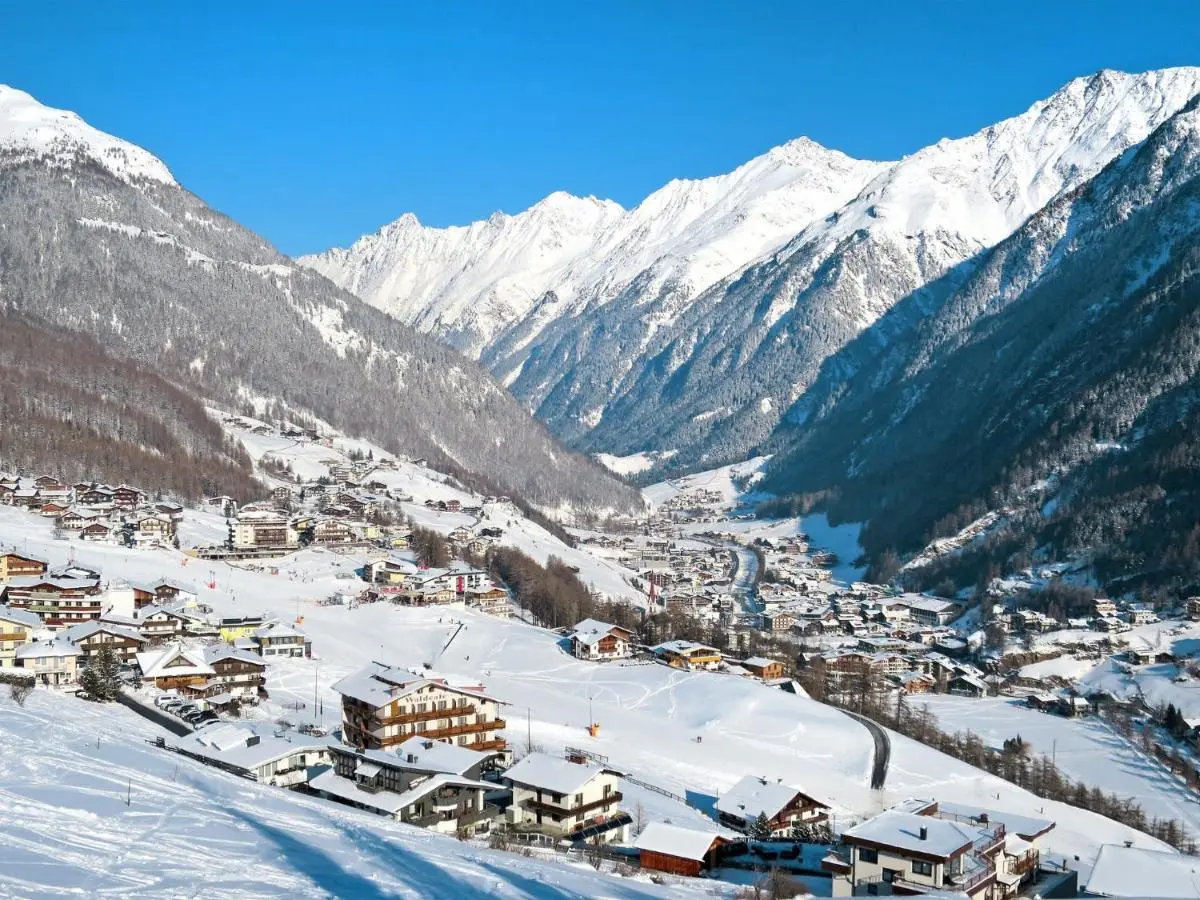
Sölden is the easiest of the three to reach from Innsbruck. The tourist board gives 83 km and about an hour and a quarter by road from the airport, and an independent transfer company gives the same. There is no railway into the valley. Trains stop at Ötztal station at the valley entrance, which has direct daily connections, and public buses run up the valley from there about every 30 minutes, leaving from the station forecourt.
For a Sölden chalet, the walk from the bus stop matters as much as the transfer. Chalet Apartment Leiter Sölden lists a bus stop 20 metres away, and Chalet Alpenheim Simone lists one at 200 metres, which makes arriving by train and bus realistic even with luggage. Chalet Willi lists the Gaislachkoglbahn at 1,000 metres. The page on chalets in Sölden gives the same detail for every house there.
Ischgl is about 100 km from Innsbruck airport, and a transfer company gives about an hour and 20 minutes. The nearest station is Landeck-Zams, with direct trains from Innsbruck, and a regular bus runs from the station up the Paznaun valley to Ischgl. Zürich is about 235 km away, so it is a real option for Ischgl as well. Apartment Fluchthorn is listed for up to five guests, a size that fits a bus and train arrival.
For Serfaus-Fiss-Ladis we could not confirm an airport distance or a rail and bus route from two sources, so we give none here. Innsbruck is the airport most travellers use, but ask the owner how guests usually reach the village. That matters most for the big houses: Chalet Kelle sleeps up to 35, and a group that size needs a booked coach or several minibuses rather than taxis.
Zillertal arrivals
Innsbruck is the closest airport to Mayrhofen, at about an hour by road according to a transfer company and an independent ski guide. Munich is further, at around two hours on a clear day by the same two sources, but it has far more flights from the UK and beyond. For a week in the chalets of the Zillertal, both work, and the choice usually comes down to flight times and how many of you are travelling.
The rail route is the Zillertal's strong point. The Zillertalbahn, the valley railway, runs from Jenbach on the main Inn valley line up to Mayrhofen, and both the railway itself and an independent ski guide give a half-hourly service. From Munich airport, the Kitzbühel tourist board describes the same first leg for trains into Tyrol: the S-Bahn into Munich, then a train towards Kufstein. From Innsbruck, Jenbach is on the main line east.
Bus stops decide whether the train works for your chalet. Chalet Almdorf Fügen lists a bus stop 5 metres from the door, which helps, but the lift is listed at 1,700 metres. Chalet Rocking Home in Aschau lists a bus stop 25 metres away and the lift at 3.6 kilometres, so a group of 20 there should plan the morning run to the lifts before booking anything else.
Gerlos and Königsleiten belong to the Zillertal Arena, and neither is on the valley railway, so the last stretch is by road. Chalet Pinzgauer Almhütte in Königsleiten lists the piste and the lift at 50 metres, so once you arrive the car can stay put for the week. See chalets in the Zillertal Arena for the houses on that side, and ask each owner about winter road access and parking.
The Salzburg side
Salzburg airport to Saalbach is about 86 km by road, according to an independent ski guide and a transfer company, and the transfer company gives an hour and a half or a little less. No official figure exists, so treat that as a guide. By train, Saalbach's tourist board names Zell am See and Maishofen as the nearest stations, with a bus from both to Saalbach and Hinterglemm and a taxi rank outside Zell am See station.
Once you are there, the location of the chalet decides the week. Chalet Bachgut Berg lists the piste 50 metres away, so a group of 16 there may not need a car at all after arrival. The page on chalets in Saalbach-Hinterglemm lists the lift distance for each house, which is the figure to compare first if nobody in the group wants to drive.
Zell am See is the simplest rail arrival on this side. The station is in the town centre, and an independent ski guide puts it about 500 metres from the ski area, linked by the cityXpress gondola. The tourist board lists direct trains from Salzburg and Vienna. Alpenparks Central Zell am See lists a lift 250 metres away and confirms that pets are allowed, so it suits a family who would rather not hire a car.
For Kitzbühel, the tourist board describes trains from Salzburg airport via Salzburg main station towards Wörgl, and from Innsbruck with a change at Wörgl. An independent ski guide notes that the train stops right by the Hahnenkammbahn in Kitzbühel and also serves Kirchberg in Tirol. Chalet Skida in Kitzbühel and Chalet Hennleiten Hütte in Kirchberg both sit on that line. Our Kitzbühel chalet page shows the rest.
See:Chalets in Saalbach-HinterglemmChalets and apartments in Zell am See
Rail from the UK
You can reach the Austrian Alps by train from London, with one long day or a night on a sleeper. Eurostar runs from London St Pancras to Paris, Brussels and Amsterdam, and from there onward trains reach Austria. ÖBB's Nightjet sleeper runs overnight from Amsterdam to Austria, and Nightjet lists Innsbruck among its destinations from Amsterdam and Hamburg. That puts you in Innsbruck in the morning, ready for a regional train to the resort.
The route through Switzerland suits St Anton in particular. Eurostar to Paris connects with trains to Zürich, and the railjet from Zürich to Innsbruck runs through the Arlberg tunnel and stops at St Anton am Arlberg. Ski Arlberg lists St Anton among the stations with direct trains from Zürich, so from Zürich you arrive in the village without another change.
Rail makes most sense when the chalet is near a station or a bus stop. St Anton, Zell am See and Kitzbühel have stations close to the lifts. The Zillertal has its valley railway to Mayrhofen. Sölden, Ischgl and Saalbach need a bus for the last stretch from the valley station. The guide to the best ski resorts in Austria compares the ski areas themselves, so you can weigh the rail access against the skiing.
See:Best ski resorts in Austria for chalet holidaysAll guides
Car-free weeks
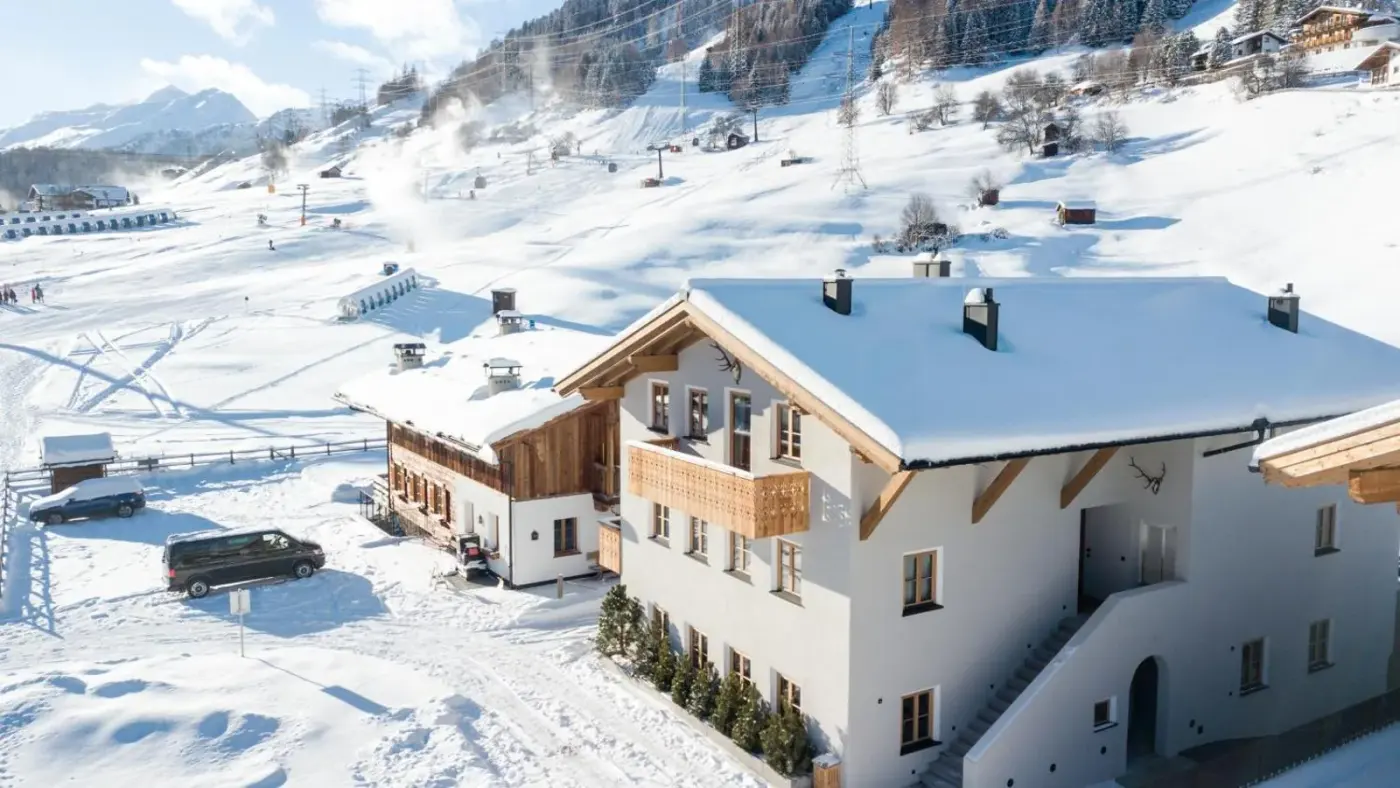
A ski week in Austria without a car works well if you choose the chalet by its bus stop and lift distance. The resorts on this site have railway stations or regular buses from the valley station, and once you are in the village, ski buses link most of the lifts. The checks below matter more than the size of the hot tub when nobody is driving.
Look first at the listed distances. Apartments Alpin Apart in Flachau lists a bus stop 25 metres from the door, and Almchalet Dorfblick in Mühlbach am Hochkönig lists one at 50 metres. Chalet Apartment Bärlerhof in Königsleiten lists the lift 50 to 100 metres away. Those are the kind of figures that make a car-free week simple. For Flachau, Wagrain and Großarl we could not confirm airport distances from two sources, so ask the owner about the transfer from Salzburg.
Then check the food run. The same Flachau apartments list shops 5 kilometres away, and Chalet Pinzgauer Almhütte lists shops and restaurants at 700 metres. Without a car, a weekly delivery or a meal service changes the week. Our guide to choosing a chalet or an apartment covers how kitchen, bathroom and location trade off for a group.
Houses further out need a plan. Chalet Schöneben Bauernhaus in Wald im Pinzgau lists the piste and the lift 5 kilometres away, and Chalet Apartment Leiter in Bramberg lists the lift at 4.1 kilometres. Both can work without a car if a bus stops nearby, so ask the owner for the nearest stop and the ski bus times. If you would rather walk to the snow, start with ski-in and ski-out chalets.
See:Ski-in/ski-out chalets in AustriaChalets in Ski amadé: Flachau, Wagrain and Großarl
Motorway tolls
Every car up to 3.5 tonnes on an Austrian motorway or expressway needs a valid vignette, and the rule applies the moment you join the motorway. You can buy it as a digital vignette linked to your number plate, or for now as a sticker. From the 2027 vignette year onwards, the Austrian government says the vignette will only be sold in digital form. Durations run from one day and ten days to two months and a full year.
Mind the timing if you buy online. A digital annual or two-month vignette bought online as a consumer only becomes valid on the 18th day after purchase, because of the EU right of withdrawal for distance sales. The one-day and ten-day vignettes are valid straight away, even online, and any vignette bought at a sales point can be valid immediately. A ten-day vignette covers a single ski week.
A few Alpine routes charge a section toll on top of the vignette. They are the A9 Pyhrn motorway at the Gleinalm and Bosruck tunnels, the A10 Tauern motorway, the A11 Karawanken motorway, the A13 Brenner motorway and the S16 Arlberg expressway through the Arlberg tunnel. The digital section toll for these can also be bought online. Check your route: a drive to St Anton from the east does not need the tunnel, but a drive on into Vorarlberg does.
Arriving from Munich towards Kufstein, the A12 between the border and the Kufstein-Süd junction is exempt from the vignette. The Kitzbühel tourist board points out that beyond that junction, for example to the Wörgl Ost exit for the Brixental, the vignette applies again. Without one, drivers face a substitute toll and, if it goes unpaid, a penalty. The page on chalets in Kitzbühel and Kirchberg covers the houses at the end of that drive.
Winter driving
From the start of November to mid-April, cars in Austria may only be driven in snow, slush or ice if they have winter tyres on all four wheels. It is a rule tied to conditions, not a blanket duty for the whole period, but in a ski resort the conditions arrive often. The minimum tread for radial winter tyres is 4 mm. Tyres marked M+S, M.S. or M&S qualify, and the ÖAMTC motoring club says all-season tyres are accepted too.
Snow chains can stand in for winter tyres on cars, but only where the road is fully or almost fully covered in snow or ice. They go on at least two drive wheels. The ÖAMTC stresses that chains on summer tyres are no safe replacement and advises staying under 50 km/h with chains fitted. On a road up to a chalet above the village, carry chains even with winter tyres, and practise fitting them once at home.
Austria also expects a warning triangle and a first aid kit in every car, and a reflective jacket to be worn if you stop outside a built-up area at night or in poor visibility. Keep the jackets in the cabin, not the boot. On motorways in queuing traffic, drivers must form an emergency corridor for rescue vehicles. The general limits are 50 km/h in towns, 100 km/h outside them and 130 km/h on motorways.
With a hire car, the winter kit is your responsibility, not the hire company's, so check it at the desk. A car hired in Munich comes from a country with its own winter rules, so ask whether it has winter tyres and an Austrian vignette before you drive off. The alcohol limit is 0.5 per mille. If you plan a summer trip as well, the summer chalet guide covers the warmer months.
See:Summer chalet holidays in AustriaChalets in Austria with a sauna or hot tub
Papers and pets
UK citizens can visit Austria without a visa for up to 90 days in any 180-day period, counting time in other Schengen countries. Your passport must have been issued less than 10 years before you arrive and must be valid for at least 3 months after the day you plan to leave the Schengen area. Check the issue date as well as the expiry date, because older passports renewed early can fail the first test.
The EU Entry/Exit System has applied at Schengen borders since spring 2026 and replaces passport stamps. At your first entry you may be asked for fingerprints and a photo, and children under 12 are not fingerprinted. GOV.UK advises allowing extra time at the border. ETIAS, the planned EU travel authorisation, is not yet running, so there is nothing to apply for yet.
Driving your own car from the UK, carry your licence, insurance and vehicle documents, and show the UK identifier: a number plate with UK and the Union flag, or a UK sticker on the back. GB stickers are no longer valid. GOV.UK says you do not need a green card to drive in the EU.
A dog travelling from England, Scotland or Wales needs a microchip fitted before or with its rabies vaccination, a wait of at least 21 days after the first vaccination, and an animal health certificate from an official vet issued no more than 10 days before arrival in the EU. A pet passport is not accepted for residents of Great Britain. Almchalet Dorfblick confirms pets, and the page on dog-friendly chalets in Austria lists the others.
See:How we compareHiking holidays in Austria: where to stay and what to check
Practical answers
Innsbruck airport is about 100 km from St Anton am Arlberg, a little over an hour by road in clear conditions. A transfer company gives about an hour and a quarter, or up to an hour and a half in traffic or snow. By public transport, take bus line F to Innsbruck main station, about 20 minutes, then a direct train to St Anton.
Yes. Direct Railjet and EuroCity trains run from Innsbruck to St Anton am Arlberg, and the same line continues to Zürich. The station is in the village, a short walk from the Galzigbahn and Rendlbahn cable cars. From Innsbruck airport, bus line F reaches the main station in about 20 minutes.
Innsbruck. The Sölden tourist board gives 83 km and about 1 hour 15 minutes by road from Innsbruck airport, and an independent transfer company gives the same. Munich and Zürich are both well over 200 km away. By train, travel to Ötztal station at the valley entrance and take the public bus up to Sölden, which runs about every 30 minutes.
Salzburg is the closest airport to Kitzbühel, according to both the Kitzbühel tourist board and an independent ski guide, with Innsbruck at around 100 km as the second option. By train from Salzburg, go via Salzburg main station towards Wörgl and change for Kitzbühel. From Innsbruck, change at Wörgl. The train stops by the Hahnenkammbahn.
By road, transfer companies and ski guides put Munich airport to Mayrhofen at around two hours on a clear day. By train, take the S-Bahn into Munich, then a train towards Kufstein and on to Jenbach, where the Zillertalbahn runs up the valley to Mayrhofen about every 30 minutes. Innsbruck airport is closer, at about an hour by road.
By road, Salzburg airport to Saalbach is about 86 km, around an hour and a half by transfer according to a transfer company and an independent ski guide. By train, travel to Zell am See or Maishofen station and take the bus to Saalbach and Hinterglemm. There is a taxi rank outside Zell am See station.
Yes, every car up to 3.5 tonnes needs a vignette on Austrian motorways and expressways. Online annual and two-month digital vignettes only become valid on the 18th day after purchase, while one-day and ten-day vignettes are valid at once. The Arlberg, Brenner, Tauern, Karawanken and Pyhrn routes charge a section toll on top.
From the start of November to mid-April, cars in Austria must have winter tyres on all four wheels whenever the road has snow, slush or ice. It is not a blanket duty for the whole period, but in ski resorts those conditions are common. Radial winter tyres need at least 4 mm of tread, and tyres marked M+S, M.S. or M&S qualify.
Cars in Austria may use snow chains instead of winter tyres, but only where the road is fully or almost fully covered in snow or ice, with chains on at least two drive wheels. The ÖAMTC motoring club warns that chains on summer tyres are not a safe replacement and advises staying under 50 km/h with chains on. Carrying chains is sensible for any steep chalet road.
Yes. St Anton, Zell am See and Kitzbühel have railway stations close to the lifts, the Zillertalbahn runs up the Zillertal to Mayrhofen, and buses link the valley stations with Sölden, Ischgl and Saalbach. Choose a chalet with a bus stop or a lift close by, and plan how you will do the food shopping without a car.
Yes. Eurostar runs from London to Paris, Brussels and Amsterdam. From Amsterdam, the Nightjet sleeper runs overnight to Austria, and Nightjet lists Innsbruck among its destinations. From Paris, trains connect to Zürich, where the railjet to Innsbruck stops at St Anton am Arlberg.
UK citizens need no visa for Austria for up to 90 days in any 180-day period. The passport must have been issued less than 10 years before arrival and be valid for at least 3 months after you leave the Schengen area. Under the EU Entry/Exit System you may give fingerprints and a photo at your first entry. ETIAS is not yet running.
Yes, a dog from England, Scotland or Wales can travel to Austria with a microchip fitted before or with its rabies vaccination, a wait of at least 21 days after the first vaccination, and an animal health certificate from an official vet issued no more than 10 days before arrival in the EU. A pet passport is not accepted for residents of Great Britain.
Every figure on this page comes from an official source and at least one independent source. Where they disagreed, we left the number out.
Put it into practice
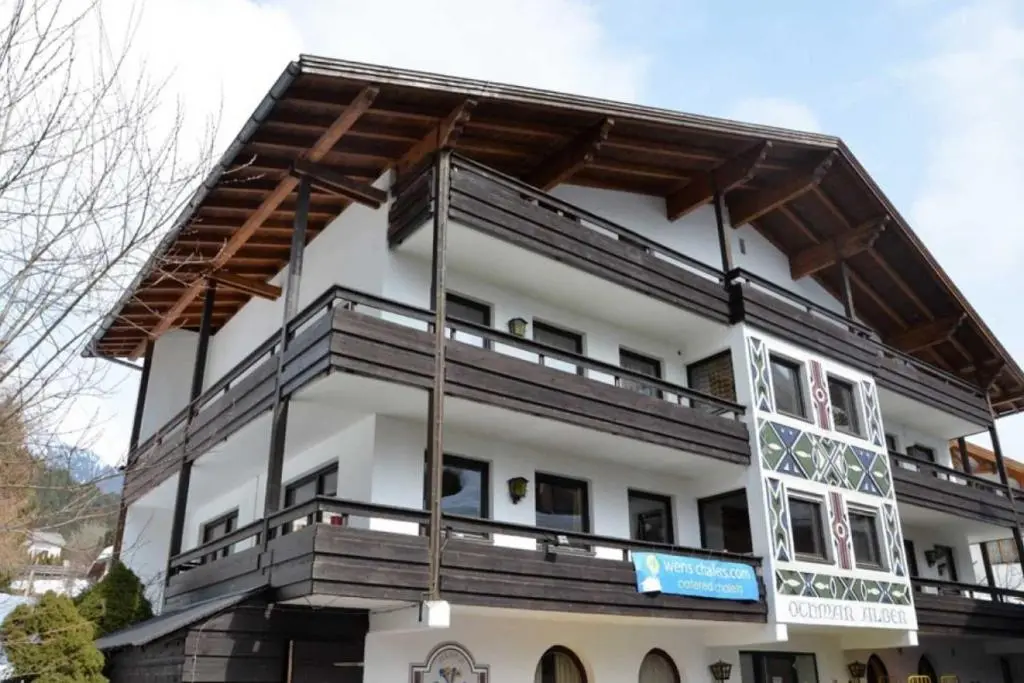 St Anton am Arlberg6 stays
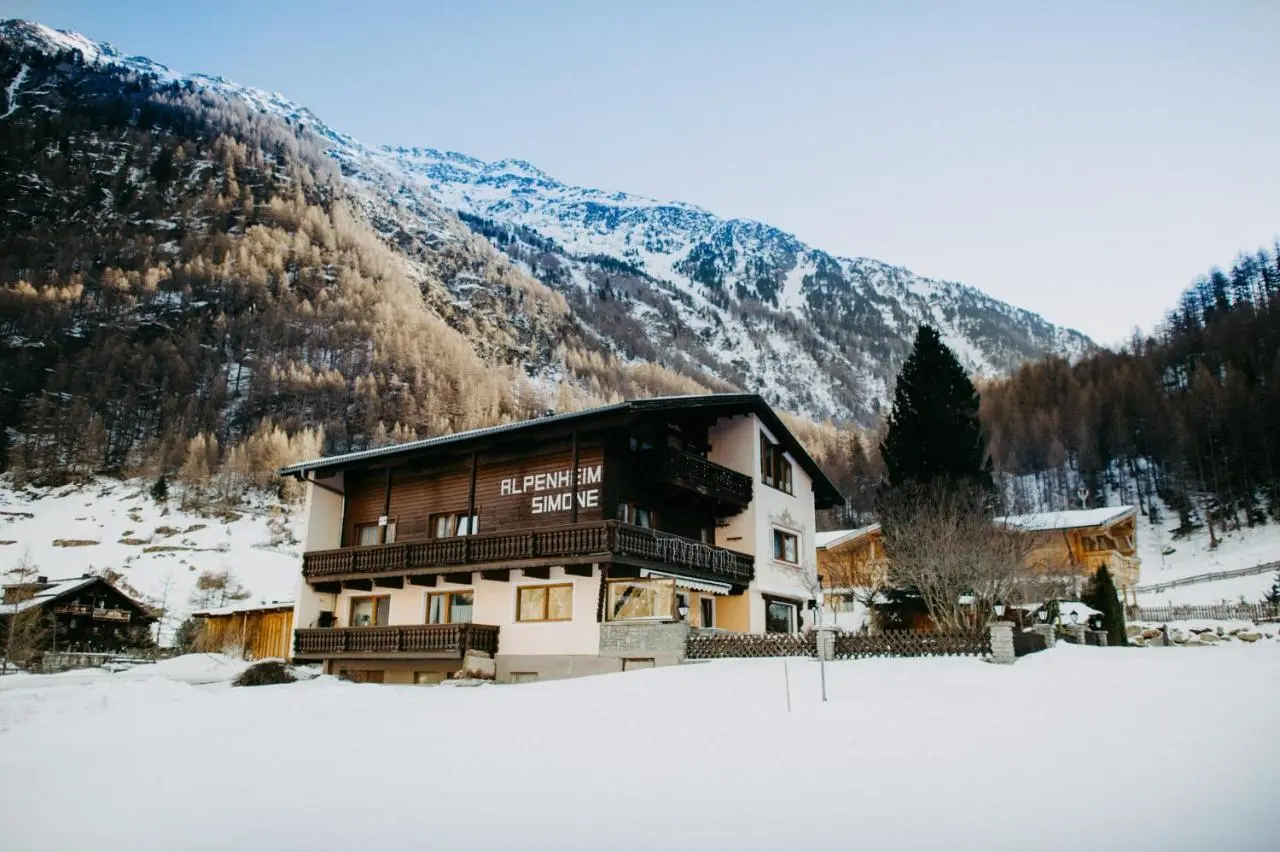 Sölden12 staysSaalbach-Hinterglemm7 stays
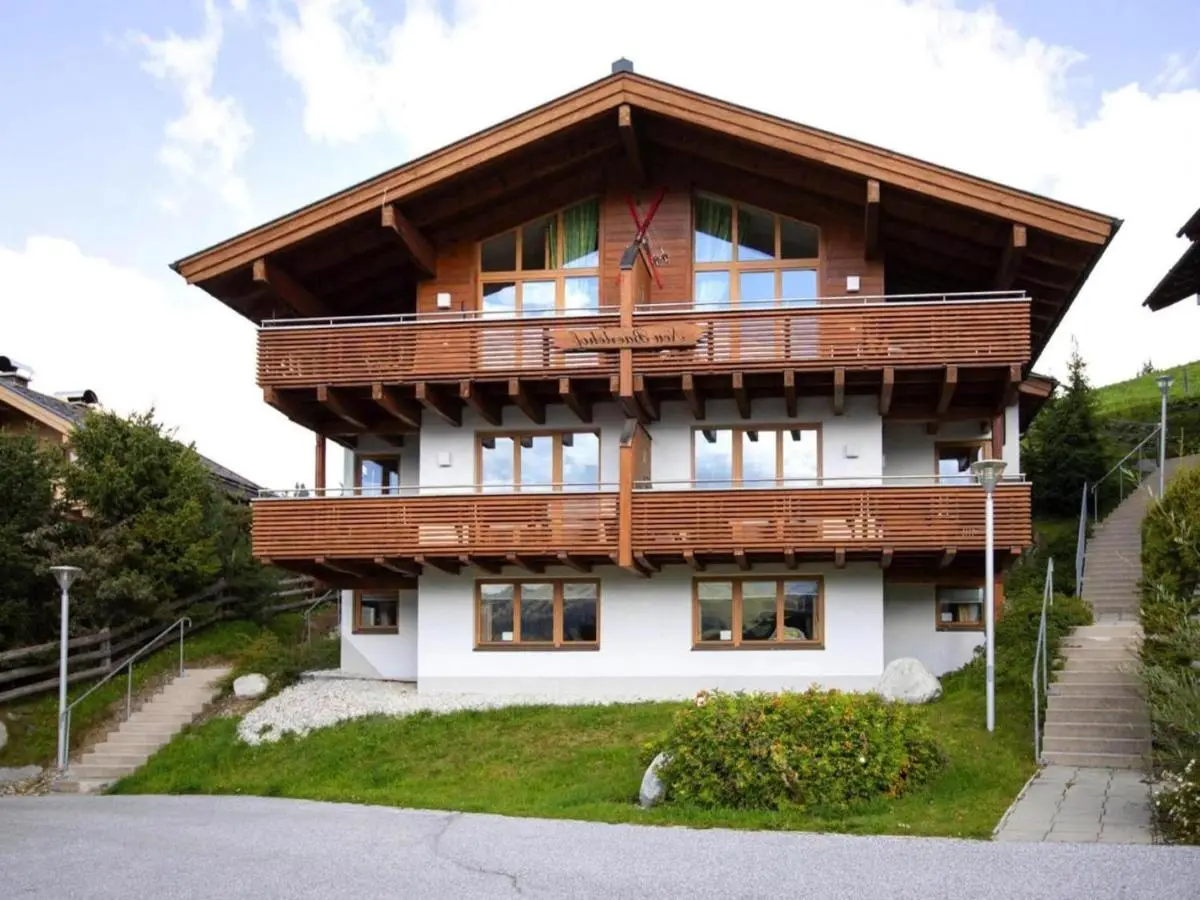 Königsleiten8 staysZell am See3 stays
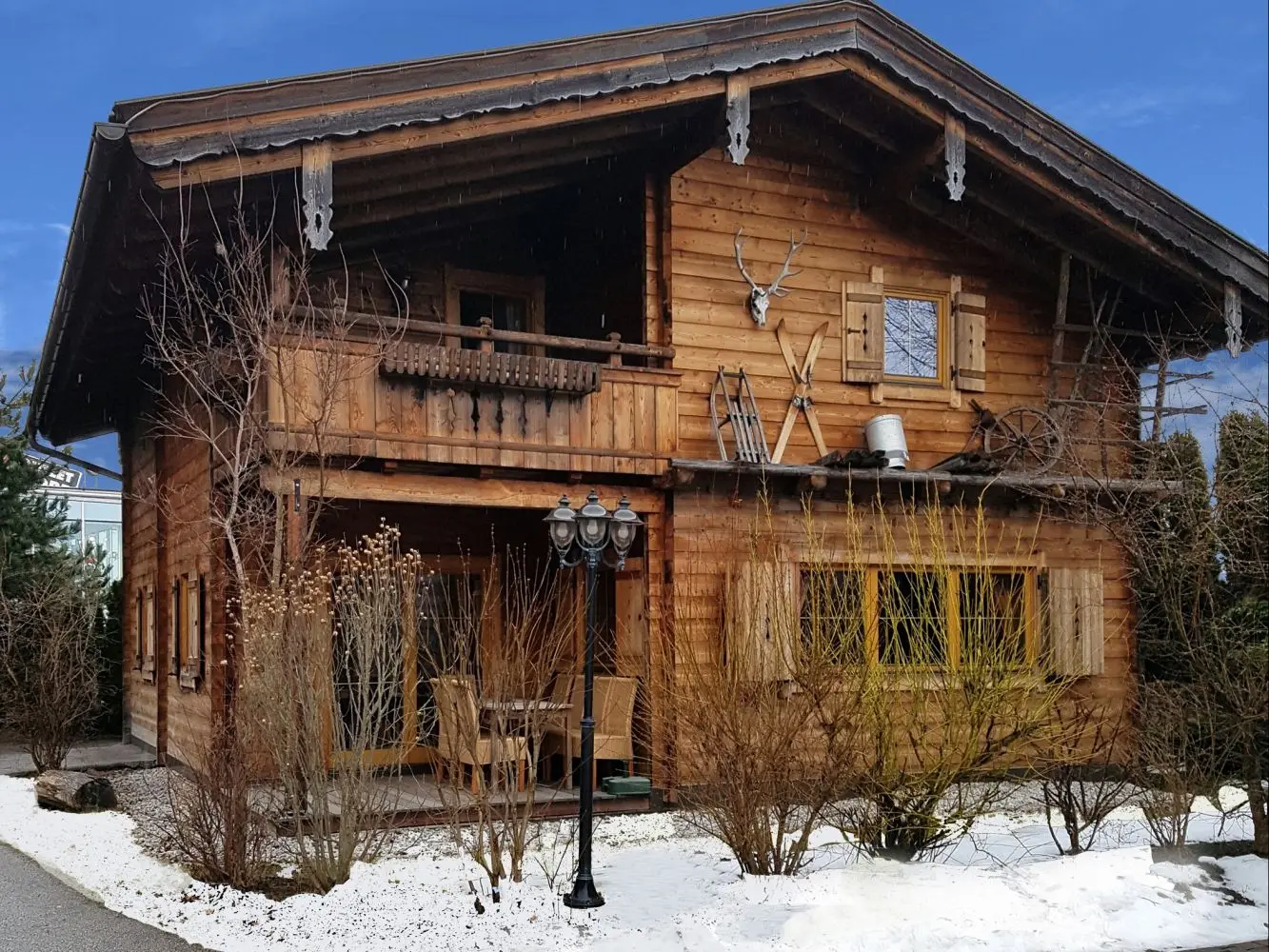 Zillertal11 stays
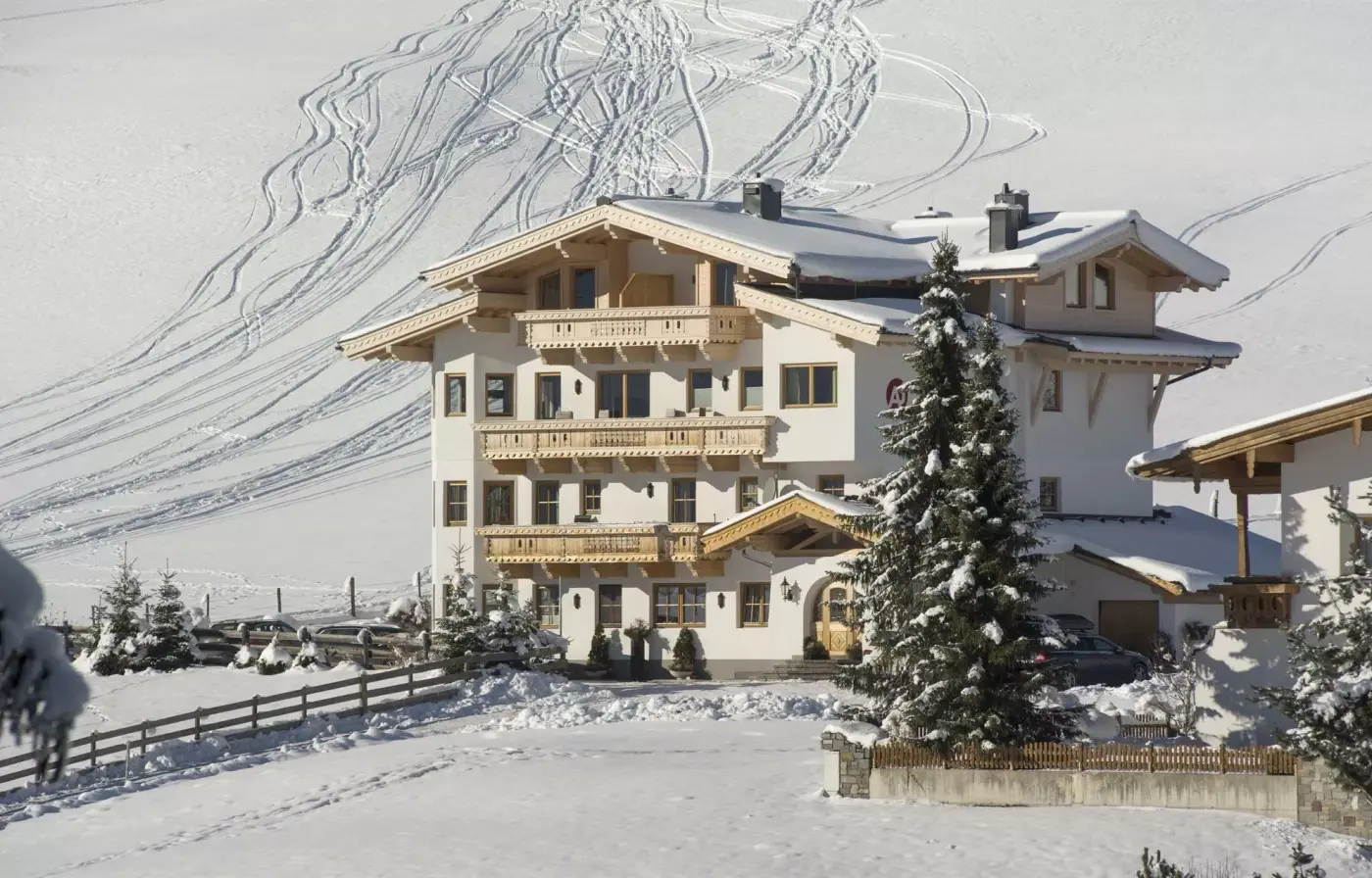 Zillertal Arena13 stays
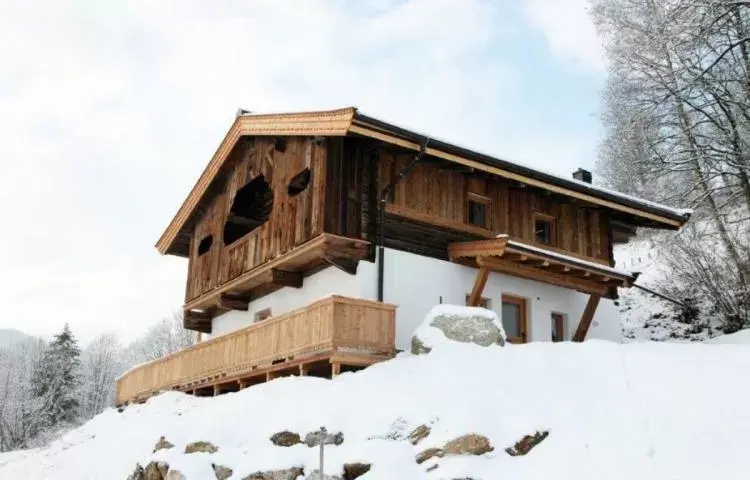 Kitzbühel and Kirchberg8 staysSki amadé: Flachau, Wagrain and Großarl10 stays
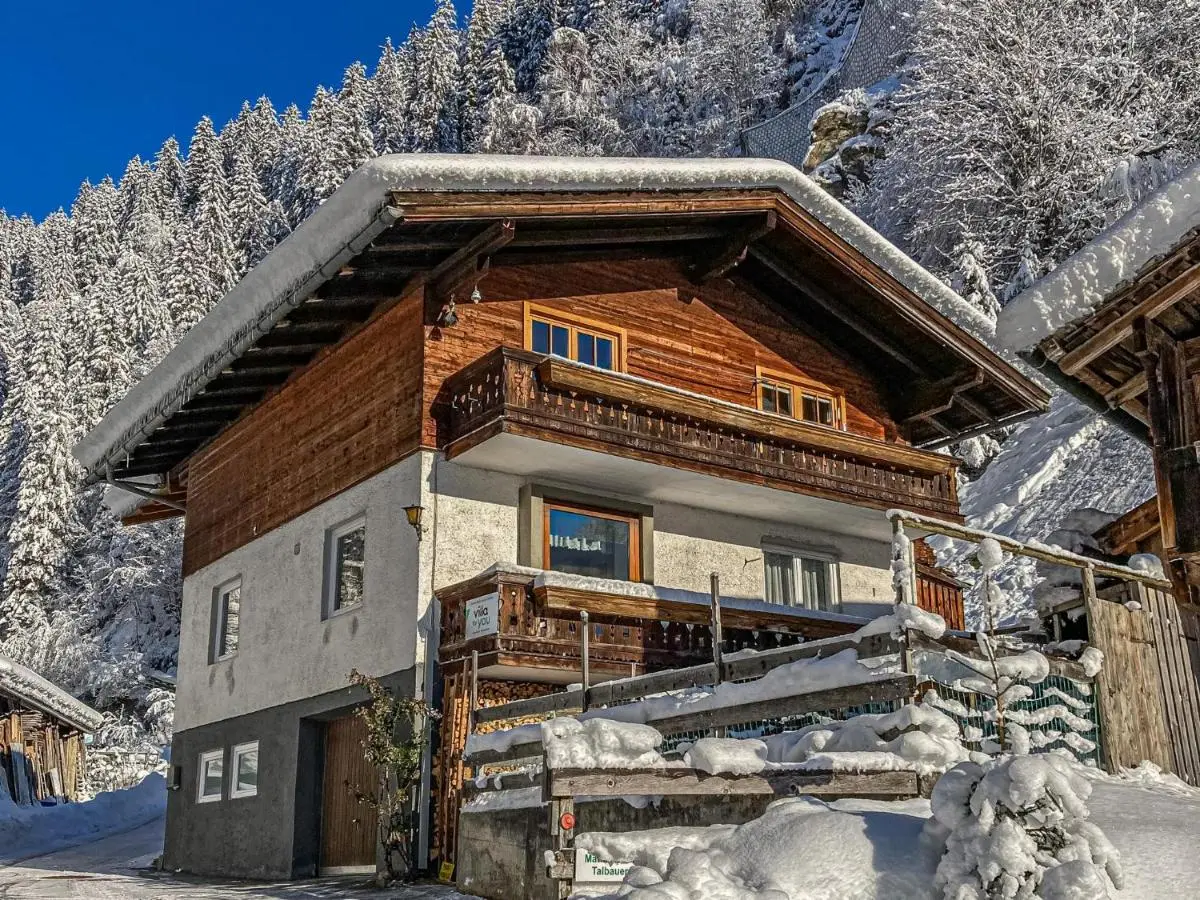 Neukirchen and Bramberg3 stays
 Brixen im Thale and the SkiWelt10 stays
Or choose by type: ski chalets, large group chalets, chalets with a sauna or hot tub, ski apartments and small hotels.
Browse the stays that pass our checks and save the ones you like.