24
Main stages of the Adlerweg
The Eagle Walk crosses North Tyrol from St Johann in Tirol to the Arlberg, with a separate set of East Tyrol stages.
Source: Tirol Werbung, Cicerone
Austria makes walking holidays unusually easy to plan. Trails are signposted in yellow and waymarked in red and white across Tyrol, valleys from the Zillertal to the Arlberg run summer cable cars, and several resorts bundle those lifts into a guest card. The catch is that most chalets on the market were built around a ski week, so the facts you need for July are different from the facts sold for January.
We compared official tourist board pages, lift operators and the Alpine Club for each claim below, and left out anything we could confirm in only one place. Use it as a planning checklist: read the region and route sections first, then the card comparison, then the section on picking a base. If you already know the village, the destination pages list every stay we track there.
In summer the village matters more than the chalet. Pick the valley for its walking, then the roof for its beds.
At a glance
The Eagle Walk crosses North Tyrol from St Johann in Tirol to the Arlberg, with a separate set of East Tyrol stages.
Source: Tirol Werbung, Cicerone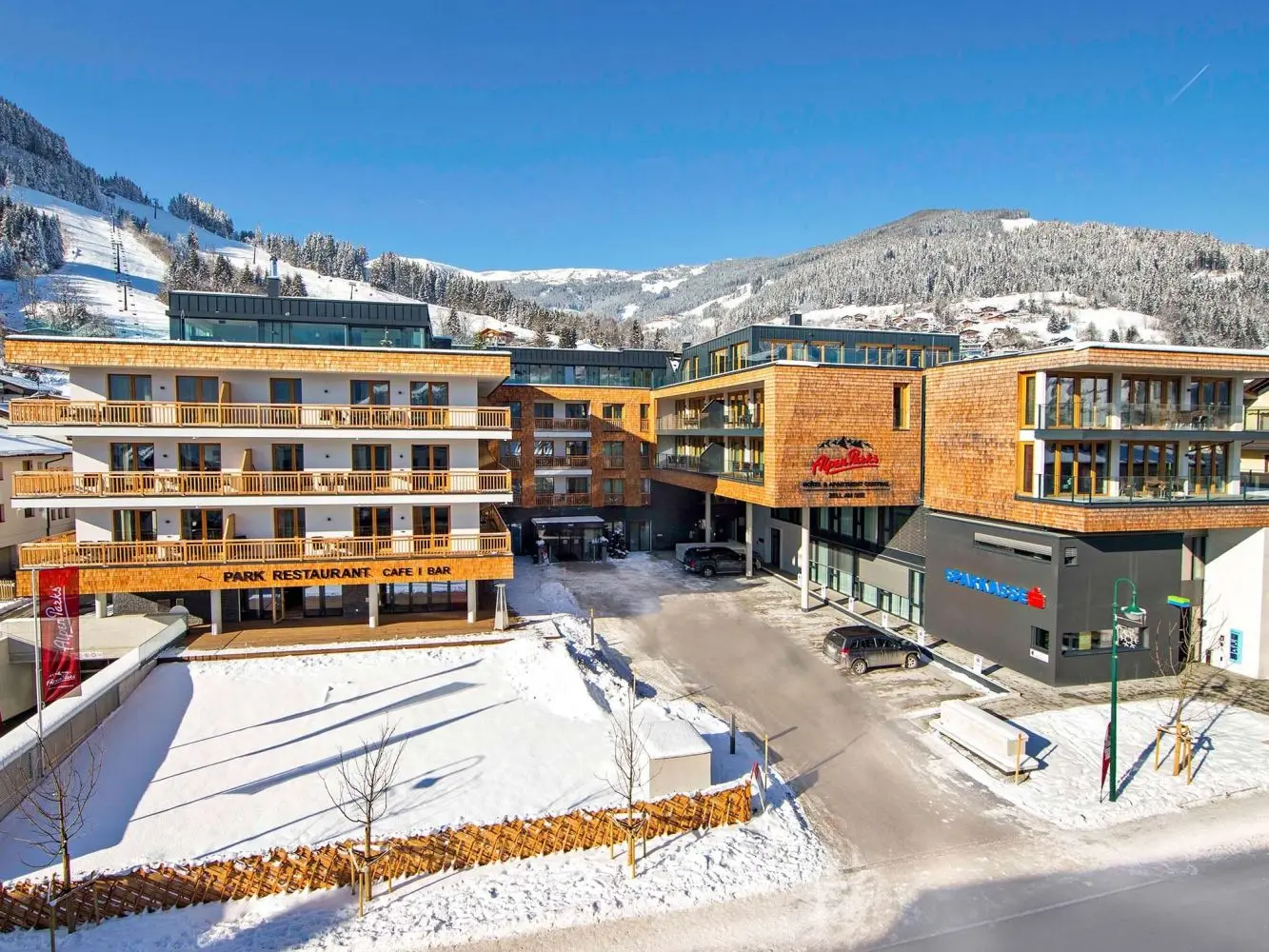
A route past alpine pastures in the Pongau that you can walk by the day or by the week.
Source: SalzburgerLand Tourismus, Austria Direct
The falls sit in the Hohe Tauern National Park, in Krimml, the village that also gives its name to Hochkrimml in the Zillertal Arena.
Source: Austrian National Tourist Office, Wikipedia
The glacier above Kaprun, whose open cable cars are included in the Zell am See-Kaprun Summer Card apart from the 3K K-onnection.
Source: Zell am See-Kaprun tourist board
The highest point of the Arlberg lift network, reached by summer lifts from St Anton.
Source: St. Anton am Arlberg tourist board
The Austrian mountain rescue line; 112 works from any mobile network.
Source: Mayrhofen-Hippach tourist board, Moon Honey TravelChoose your route
Start here if you want a chalet where the owner confirms a summer season, so you can plan around real dates.
ExploreThe Zillertal, Ötztal, Arlberg and Kitzbühel Alps all sit in Tyrol, with summer cable cars that start you high.
ExploreThe Pongau and Pinzgau valleys suit families and steady walkers, with a province-wide guest transport ticket.
ExploreSeveral families or a club walking together need bathrooms and table space before anything else.
ExploreWhere to go
Decide first between high-alpine walking and valley-and-pasture walking, because Austria does both well but rarely in the same village. Tyrol holds the long, deep valleys with big lift systems: the Zillertal, the Ötztal around Sölden, the Arlberg around St Anton and the Kitzbühel Alps. Salzburgerland adds the Pongau and Pinzgau, where routes often follow alpine pastures, and the Hohe Tauern National Park, which the Zell am See-Kaprun tourist board describes as the largest national park in Austria.
For walkers who want height without hard climbing, the chalets in the Zillertal are a strong start: the valley has a summer card that covers lifts and most valley buses, covered further down. Sölden and St Anton suit fitter groups, since their lift networks top out far higher, with the Valluga above St Anton at 2,811 m. Kitzbühel and Kirchberg sit lower, with the KitzSki area between about 800 and 2,000 m.
If waterfalls, glaciers and national park scenery matter more than lift kilometres, look at the Pinzgau side. The Krimml Waterfalls drop 380 m in total and lie inside the Hohe Tauern National Park. Stays in Wald im Pinzgau, such as Chalet Schöneben Bauernhaus, and in Königsleiten, on the Hochkrimml edge of the Zillertal Arena, are the closest stays here to that corner. The park also holds the Grossglockner, at 3,798 m the highest mountain in Austria.
Families who want shorter days and frequent huts tend to do well in the Pongau, home to Flachau, Wagrain, Großarl and Mühlbach am Hochkönig. The Salzburger Almenweg threads through this district, so even a non-trekking family can walk single stages from the valley. Compare the villages on the Salzburgerland chalets page once you know which style of walking you want.
Reading the signs
Look for the yellow signpost at every junction: it gives the destination, the walking time and, in Tyrol, a coloured dot for the difficulty. Paint marks on rocks and trees then show the line between signposts. In Tyrol the trails are marked red-white-red, according to the Kitzbüheler Alpen tourist board, and the Salzburg village of Piesendorf describes the same yellow signs with red-white-red or red-white marks.
The grades work like ski runs. In Tyrol an easy hiking trail carries no dot, a red dot means a moderately difficult mountain trail that is often narrow, steep and exposed in places, and a black dot means a difficult trail for experienced, sure-footed walkers with a head for heights. Salzburg municipalities mark easy valley trails in blue, then red and black for the harder grades.
Alpine routes sit outside that scale. Tyrolean tourist boards describe them as often unmarked or only partly marked, sometimes crossing glaciers, and needing climbing or glacier equipment. If a route on your shortlist is labelled as an alpine route, treat it as a mountaineering day and plan it with a guide, not as a long walk.
Systems differ between provinces, so read the local legend on the trail map before you set out. Vorarlberg, for example, uses white-red-white and white-blue-white marks on its Montafon trails. The safe habit everywhere is the same: check route length, height gain and grade together, since one exposed section decides the grade of the whole route.
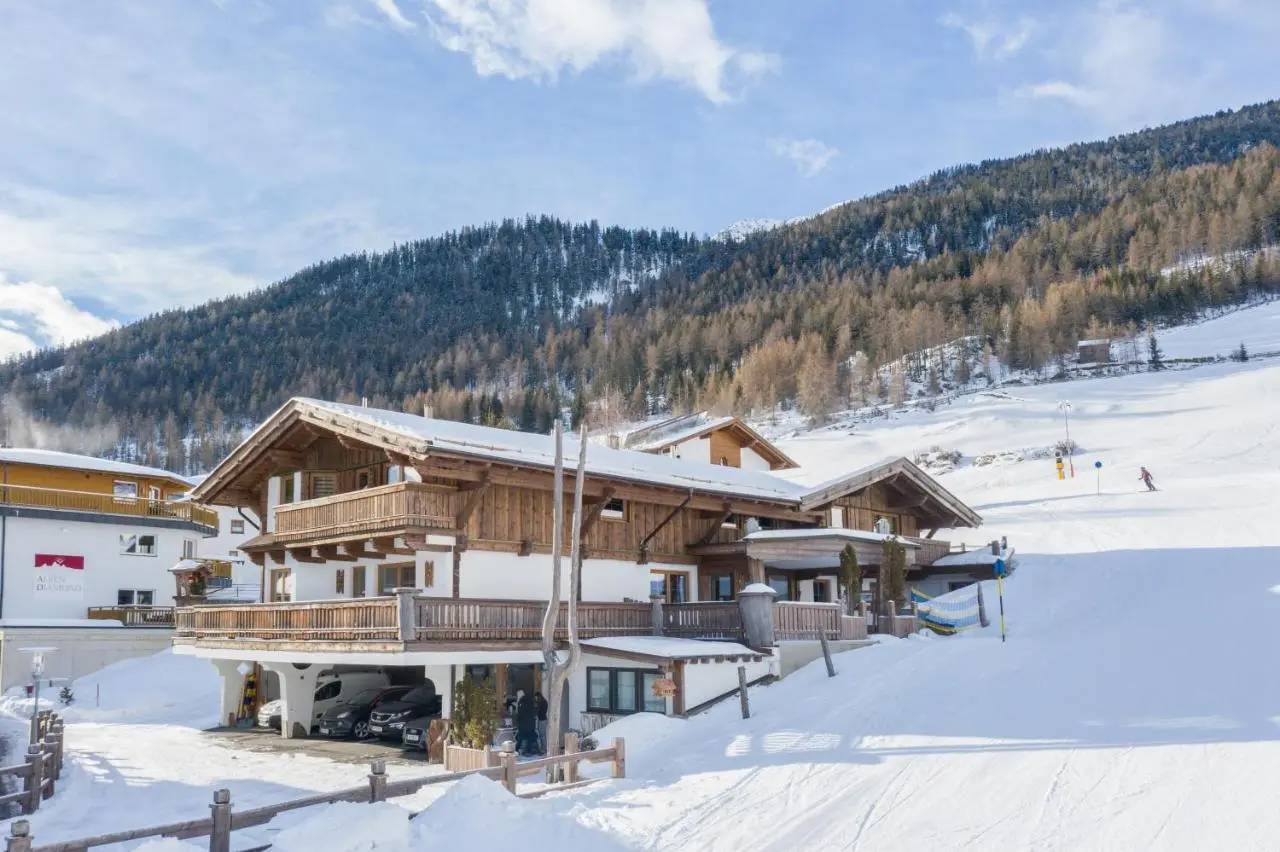
Start high
Summer cable cars are the reason many mixed groups choose Austria. A ride up removes the steep forest climb and leaves you on open ground with a choice of ridge walks, panorama paths and downhill routes back to the village. For a group where one person wants a summit and another wants a gentle circuit, a lift station is the place where you can split and meet again.
In Zell am See and Kaprun the open cable cars of the Schmittenhöhe, the Maiskogel and the Kitzsteinhorn are included in the local Summer Card, with the 3K K-onnection as the stated exception. The Kitzsteinhorn rises to 3,029 m, so a glacier viewpoint is possible in walking boots. The Zell am See chalets and apartments include Alpenparks Central Zell am See, listed 250 metres from a lift.
On the Arlberg, the St Anton tourist board lists summer lifts towards Rendl, Gampen, Kapall and Galzig, and on to the Valluga. Its Summer Card also includes a guided hike, a sensible first day if you are new to the area. The St Anton chalets include Chalet Marmotta Neve, which the owner lists as open from July to September.
Before you plan a lift-assisted week, check two things with the lift company: which lifts run in your exact dates, and whether the last descent leaves enough margin for a slow group. Lift openings are set each year, and the earliest and latest weeks of summer can see fewer lifts in service. Plan the hardest walk for the middle of your stay.
See:Chalets and apartments in Zell am SeeChalets in St Anton am Arlberg
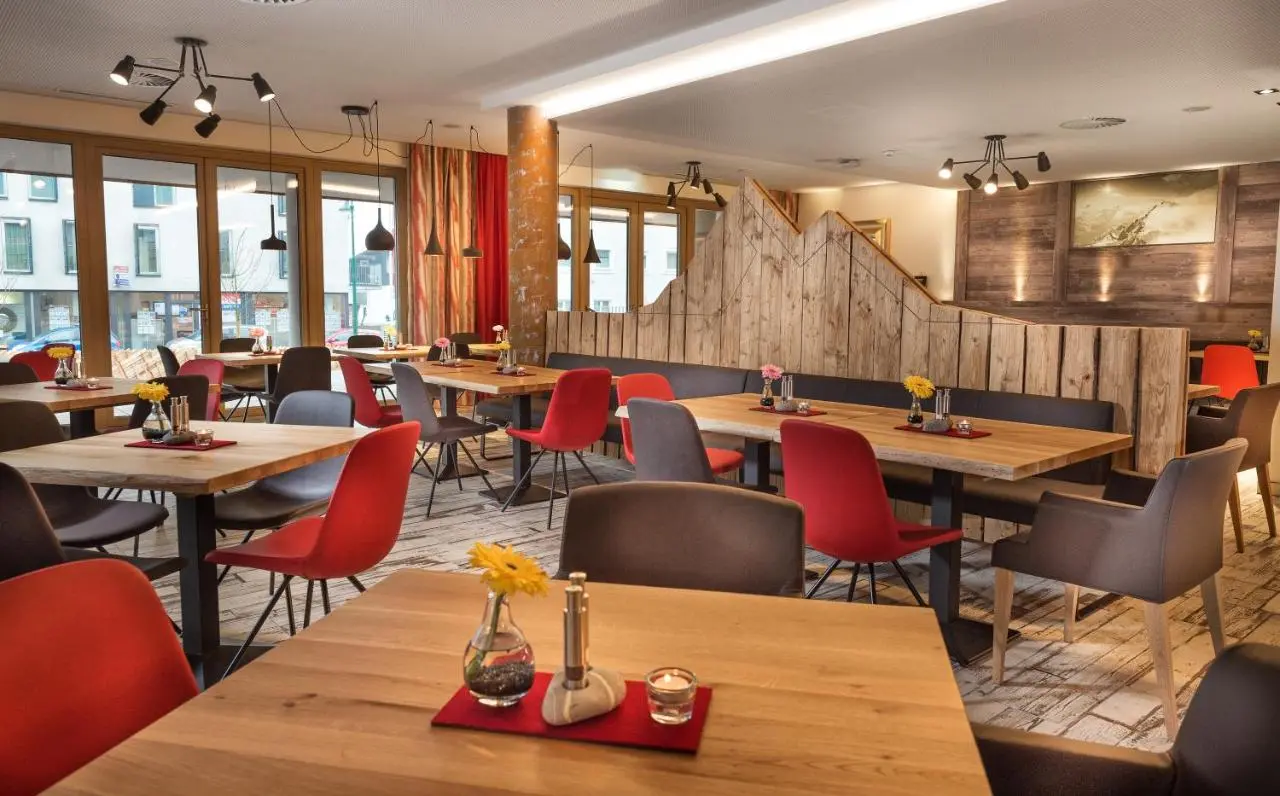
Cards compared
A summer guest card can decide which village you choose, so compare how you get it before what it includes. Some cards come automatically with a partner accommodation, others you buy. The Zell am See-Kaprun Summer Card is issued only to guests of participating accommodation from the first night and cannot be bought. It covers the open cable cars named above, a boat trip on Lake Zell and entry to the lake lidos and indoor pool.
In Serfaus-Fiss-Ladis the Super. Summer. Card is handed out by partner establishments from the first night. It covers the open cable cars of the three villages, the hikers' bus between Serfaus, Fiss and Ladis, guided hikes and the two children's clubs. Check that your stay is a partner, for example at a large house such as Chalet Kelle, because the card is tied to the accommodation, not to the village.
The Zillertal Activcard works differently: you buy it for three, six, nine or twelve consecutive days. It gives one ascent and descent per day on one of up to ten Zillertal cable cars, one visit per day to each of six outdoor pools and use of most public transport in the valley except the steam train. At the Hintertux Glacier it covers the ride to the Sommerbergalm at 2,100 m.
Card conditions change every season, so treat these as a guide to what to ask. Read the current terms on the resort's own site, check whether children and dogs are covered, and note any rules about using top attractions only from the second day. In Zell am See-Kaprun, for instance, some summit rides are available only from the second day in high summer.
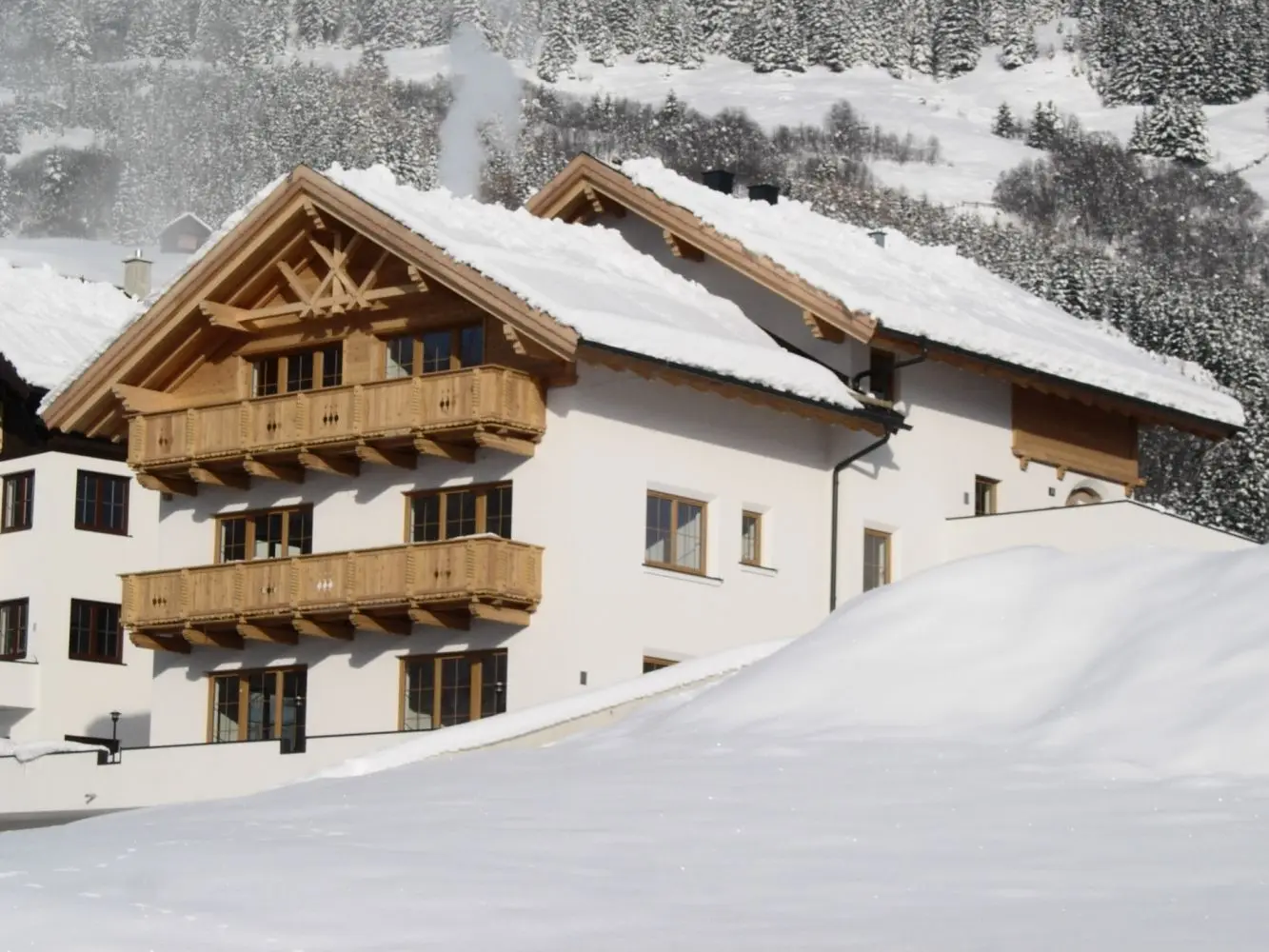
Huts
Book the huts before anything else on a hut-to-hut trip, because the beds set the route. The Austrian Alpine Club takes reservations through its online hut reservation system, but the German Alpine Club notes that taking part is voluntary for each hut, so some huts still book only by phone or email. Popular huts fill early for summer weekends, so reserve as soon as your stages are fixed.
Pack a hut sleeping bag. The Austrian Alpine Club recommends bringing your own thin silk or cotton liner, partly out of consideration for the next guest, and the Munich and Oberland section of the German Alpine Club lists it as compulsory. Huts give you a mattress, pillow and blanket in a shared dormitory, with private rooms at some huts only.
Membership of the Alpine Club is worth weighing for any hut trip of more than a night or two. Members pay less for overnight stays at Alpine Club huts, with reciprocal terms at partner clubs abroad, and the membership includes the Alpenverein Worldwide Service, which covers mountain rescue. Independent hut guides make the same point about rescue cover.
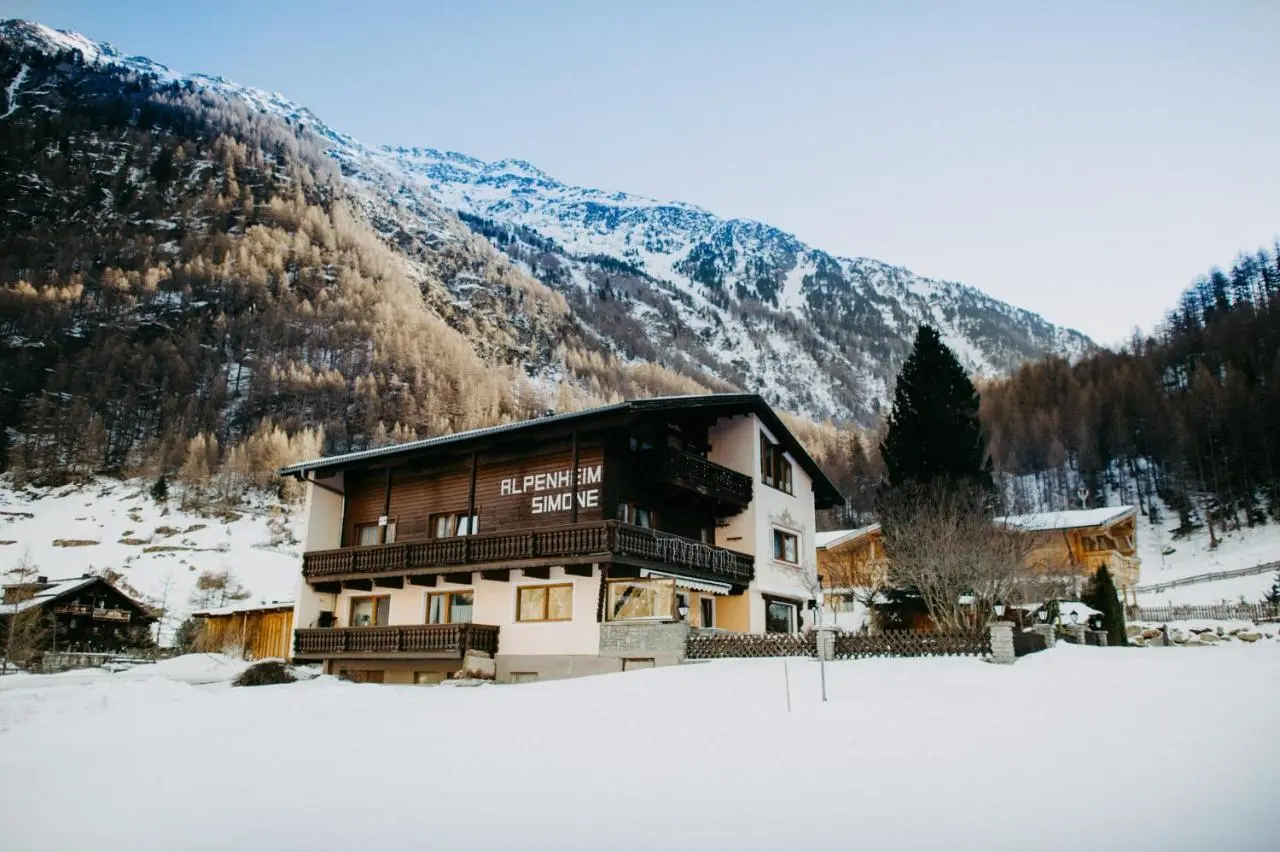
If a full traverse feels like too much, use a chalet as a base and add a single hut night in the middle of the week. You walk up with a light pack, sleep high, and come down the next day to a hot shower and your own kitchen. Groups in large houses such as Chalet Alpenheim Simone in Sölden can split for that night and meet again in the valley.
See:All guides
Classic routes
The Adlerweg, or Eagle Walk, is the classic Tyrol traverse. Its 24 main stages run from St Johann in Tirol to the Arlberg, with a separate group of stages in East Tyrol. Many stages need sure-footedness and a head for heights, and Cicerone describes hut, inn and guesthouse accommodation at the stage ends. You do not have to walk all of it: the opening stages around St Johann in Tirol are within reach of the Kitzbühel and Kirchberg chalets.
The Salzburger Almenweg is the gentler choice. It has 31 stages through the Pongau, past more than 100 alpine pastures, and the start and finish points in the valley are marked with a blue gentian. Most valley towns in the Pongau are reachable by public transport, so you can walk it as day stages from one base. Stays in Großarl such as Chalet Kleinbretteneben and Chalet Wildberg sit on its doorstep.
The Berliner Höhenweg in the Zillertal is the demanding one. The Mayrhofen tourist board sets it out as seven days with seven overnight stays, from the Gamshütte near Finkenberg to the Karl-von-Edel-Hütte above Mayrhofen. Independent trekking guides describe high alpine terrain with steep trails, snowfields and rocky sections, with escape routes on each stage.
Pick the route by the weakest walker in the party, then fit the base around it. Families and first-timers tend to be happiest on pasture routes in the Ski amadé villages; experienced pairs can take on a high traverse. A single week rarely allows a full long-distance route plus rest days, so choose a section and walk it well.
See:Chalets in Kitzbühel and KirchbergChalets in Ski amadé: Flachau, Wagrain and Großarl
Season
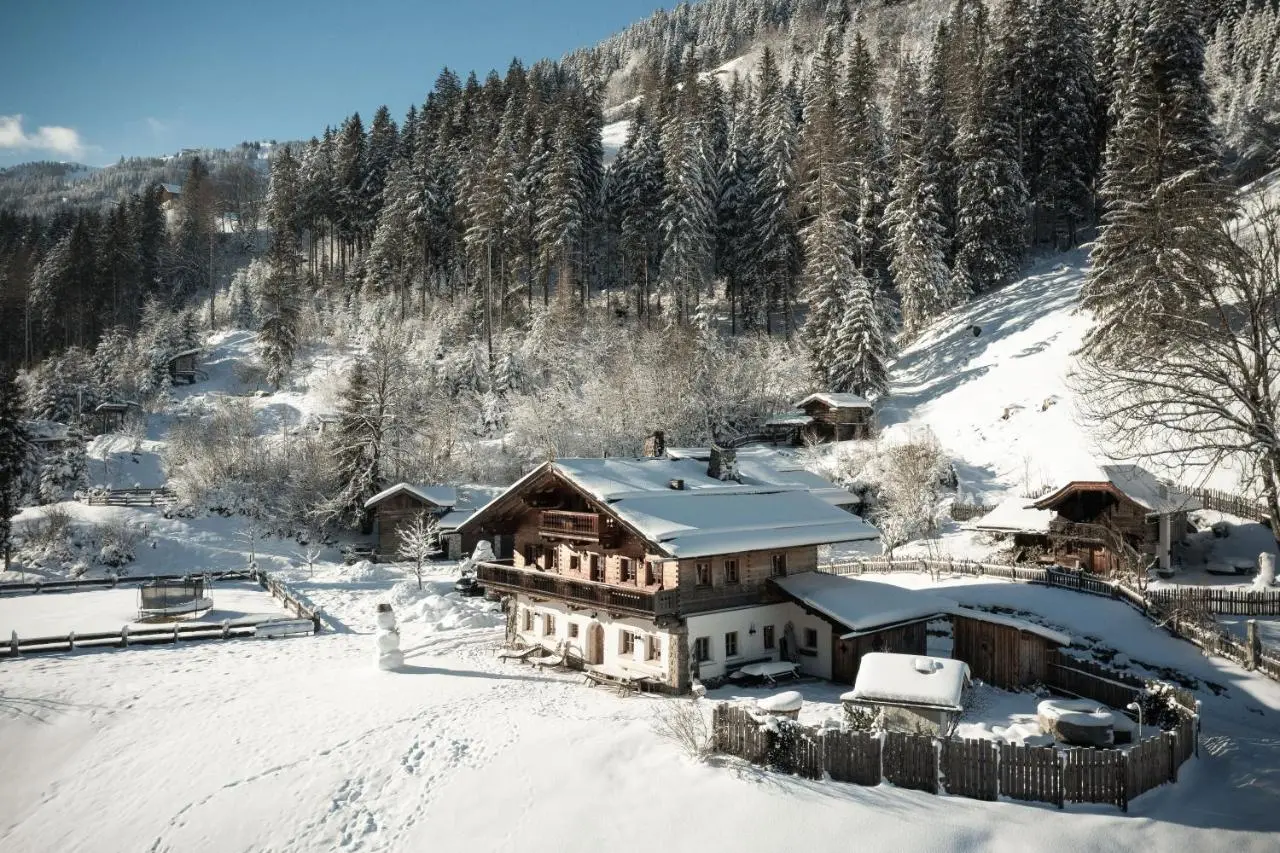
Plan high-level walking for July and August, and keep June and September for valley and mid-height routes. Hut guides put the staffed-hut season at roughly late June to mid or late September, and the Alpine Club advises checking opening with the hut itself at the start and end of the season. Cicerone and other route guides note that snow can lie on higher sections into July.
Lifts follow their own calendars. The Zell am See-Kaprun Summer Card runs from mid-May to the end of October, which gives that area one of the longer walking seasons. Other resorts open their summer lifts later and close earlier, so a late-September week can mean fewer lifts and some huts already shut. Ask the lift company for the timetable before you pick a week.
Mountain weather changes quickly at any point in summer. Tourist boards in the Kitzbühel Alps and the Zillertal both tell walkers to check the latest forecast, choose routes within their fitness and plan an alternative or a way back. In practice that means keeping one flexible day in the week for the big walk and a short valley route ready for a poor morning.
Early and late summer suit groups who prefer quieter paths and can live with a smaller choice of lifts. A group that needs a big house, such as Chalet Willi in Sölden, should reserve well ahead for July and August. Our guide to getting to Austria covers the travel side of each region.
Your base
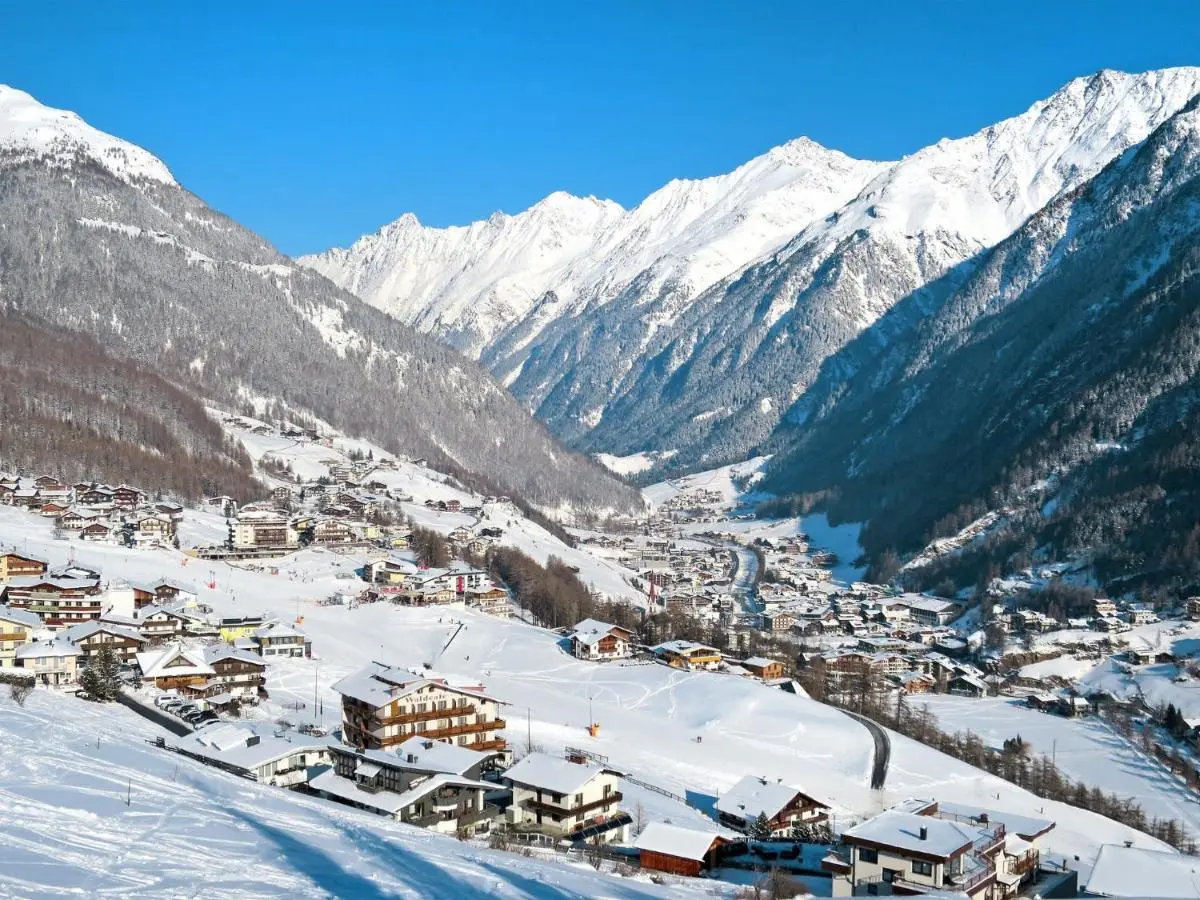
Ask whether the property is open in summer before anything else, because many chalets let in winter only. A stay appears on the summer chalets in Austria page only when its owner confirms a summer season. For every other stay here, ask the provider first. A winter fact such as a short walk to a ski lift tells you nothing about which lifts run in July.
After opening, the most useful figure on a listing is the distance to the bus stop. Several stays list one within a few steps: Chalet Almdorf Fügen in Fügen at 5 metres, Apartments Alpin Apart in Flachau at 25 metres and Almchalet Dorfblick in Mühlbach am Hochkönig at 50 metres. In the Zillertal, where a card covers most buses, that can matter more than a lift on the doorstep.
Then do the group sums. Walkers come back wet and tired at the same time, so bathrooms, drying space and a big table matter. Chalet Bachgut Berg in Saalbach-Hinterglemm lists eight bedrooms and eight bathrooms for 16, while Chalet Rocking Home in Aschau im Zillertal sleeps up to 20 with a bus stop listed 25 metres away. Ask about a boot room and washing facilities.
Self-contained flats suit couples and small families who want to cook and set their own pace. Compare the trade-offs in our chalet or apartment guide, then shortlist from the full list of stays. Anything with unconfirmed details, such as bedroom counts, is a question for the provider, not a reason to rule the stay out.
See:Chalet or apartment in Austria: what changes for your groupAll stays
Car or not
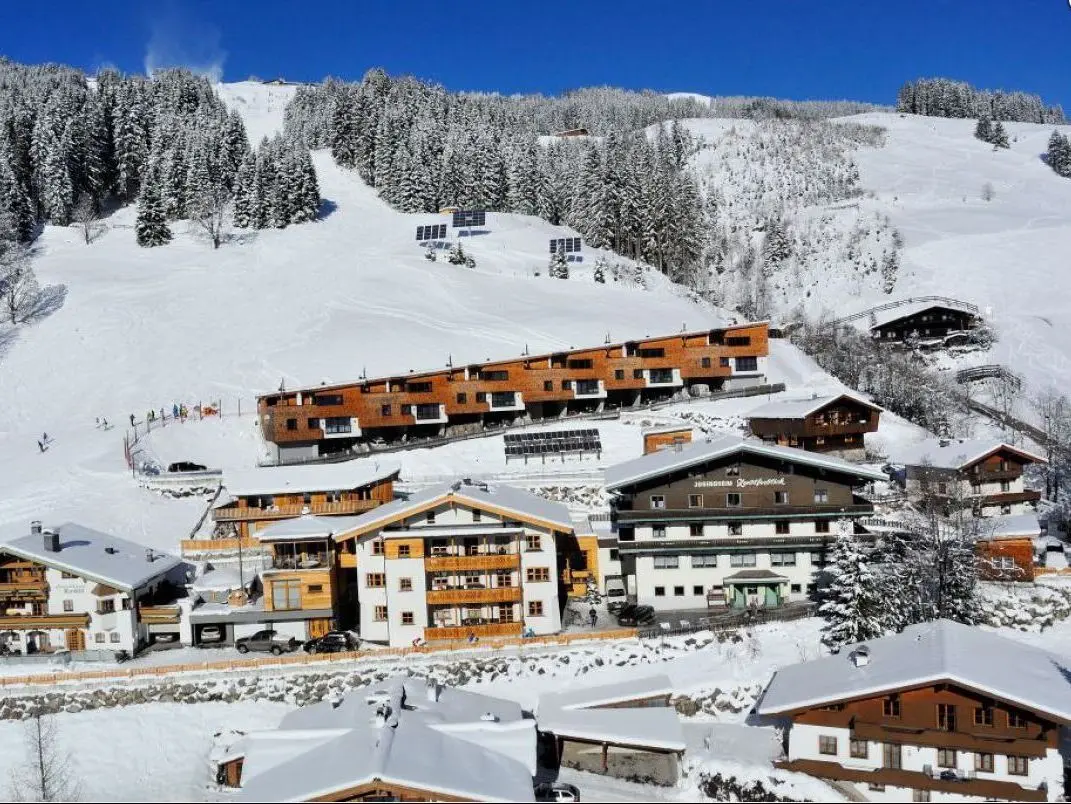
A car is optional in the valleys with good guest transport, and close to essential in scattered hamlets. In the Zillertal the Activcard covers most public transport in the valley, so a base near a bus stop in Fügen, Kaltenbach or Aschau works well without a car. Chalet Katharina in Kaltenbach is one to ask about, since the owner lists it near Fügen rather than in it.
In Serfaus-Fiss-Ladis the hikers' bus between the three villages is part of the Super. Summer. Card, which makes a linear walk from one village to the next easy to organise. Linear routes are where a car becomes a nuisance, as someone has to fetch it, so local buses widen the choice of walks.
Chalets far from a stop change the picture. Chalet Apartment Leiter in Bramberg am Wildkogel lists the lift at 4.1 kilometres, and Chalet Alte Mühle in Hopfgarten at 900 metres, so check the local bus timetable before you decide to leave the car at home. Shops can be a drive away too, which changes how you plan food for the week.
Whatever you choose, plan the first and last days around transfers rather than walks. The Wildkogel chalets in Neukirchen and Bramberg and the SkiWelt stays around Brixen im Thale both sit in valleys with rail and bus links, but summer timetables can differ from winter ones, so confirm them for your dates and for the day you arrive.
See:Chalets in Neukirchen and BrambergStays in Brixen im Thale and the SkiWelt
Stay safe
Save 140 in your phone before the first walk. It is the Austrian alpine emergency line for mountain rescue, and 112, the European emergency number, works on any available mobile network. With no signal, the Mayrhofen tourist board advises moving to a better spot and dialling 112 at intervals, and being ready to give your name, callback number, location and what happened.
Carry more than you think a day walk needs. The same advice lists suitable clothing, sturdy footwear, sun and rain protection, food and drink, a first aid kit, a map or GPS, a head torch and walking poles, plus a charged phone. Tell someone your route and expected return, walk in company where possible and turn back early if visibility drops.
Most accidents on marked trails come from slips and trips according to the Mayrhofen tourist board, so pace and footwear matter. Stay on the waymarked line, take regular breaks and drink enough. With children, choose family routes without exposed sections, and keep the red and black grades for the adults' day out.
Grazing cattle share many summer paths. The Kitzbüheler Alpen tourist board asks walkers to keep a safe distance and to move off the pasture when cattle grow uneasy. If you plan to walk with a dog, read our dog-friendly chalets in Austria page, and see how we compare stays for the way we check what a listing says.
Practical answers
July and August are the safest months for high routes, when most staffed huts are open and summer lifts run. Hut guides put the main hut season at roughly late June to mid or late September, and snow can lie on higher sections into July. June and September suit valley and mid-height walking, with fewer lifts and some huts closed at the edges.
Yes, provided you choose the grade. In Tyrol, easy hiking trails carry no colour dot on the yellow signposts, while red and black dots mark moderate and difficult mountain trails. Summer lifts let beginners start high on gentle ground. The Salzburger Almenweg, with 31 stages through the Pongau, is often recommended as an introduction because you can walk single stages from the valley.
Yes, on marked summer trails, with extra care. The Mayrhofen tourist board advises walking in company where possible, telling someone your route and expected return time, carrying a charged phone and turning back early if visibility drops. Save 140 for mountain rescue and 112 for the European emergency line, which works on any available mobile network.
Check route length, height gain and grade together, and pick walks for the weakest member of the group. Pack sturdy boots, rain and sun protection, food, water, a first aid kit, a map or GPS and a head torch. Confirm lift timetables and guest card terms for your dates, and book any hut nights early, since popular huts fill for summer weekends.
For staffed huts in summer, yes. The Austrian Alpine Club takes reservations through its online system, but participation is voluntary for each hut, so some still book only by phone or email. Popular huts fill early for weekends and school holidays. The Alpine Club also asks walkers to check opening dates with the hut itself near the start and end of the season.
Bring a hut sleeping bag, which is a thin liner of silk or cotton. The Austrian Alpine Club recommends one, partly out of consideration for the next guest, and some German Alpine Club sections make it compulsory. Huts provide a mattress, pillow and blanket, usually in a shared dormitory, so a full winter sleeping bag is not needed in summer.
For more than a night or two in huts, it usually is. Members pay less for overnight stays at Alpine Club huts, with reciprocal terms at partner clubs in other countries. Membership also includes the Alpenverein Worldwide Service, which covers mountain rescue. Compare the annual membership with the number of hut nights you plan before you join.
It depends on the village. The Zell am See-Kaprun Summer Card and the Super. Summer. Card in Serfaus-Fiss-Ladis come with partner accommodation and include open cable cars. The Zillertal Activcard is bought separately and covers one ascent and descent per day on one of up to ten lifts. Elsewhere you buy lift tickets, so check the resort's current summer terms.
Not in valleys with strong guest transport. The Zillertal Activcard covers most public transport in the valley except the steam train, and the Super. Summer. Card includes the hikers' bus between Serfaus, Fiss and Ladis. A car helps if your chalet is far from a stop or shops, so check the listed bus stop distance before you decide.
In Tyrol the yellow signposts carry no dot for easy trails, a red dot for moderately difficult mountain trails and a black dot for difficult ones, with red-white-red waymarks on the ground. Salzburg municipalities use blue for easy trails. Vorarlberg uses a different set of marks, so read the local trail legend before you start.
Call 140 for alpine emergencies and mountain rescue, or 112, the European emergency number, which works on any available mobile network. Be ready to give your name, a callback number, your exact location, what happened and how many people are hurt. With no signal, move to a better spot and try 112 again.
Every figure on this page comes from an official source and at least one independent source. Where they disagreed, we left the number out.
Put it into practice
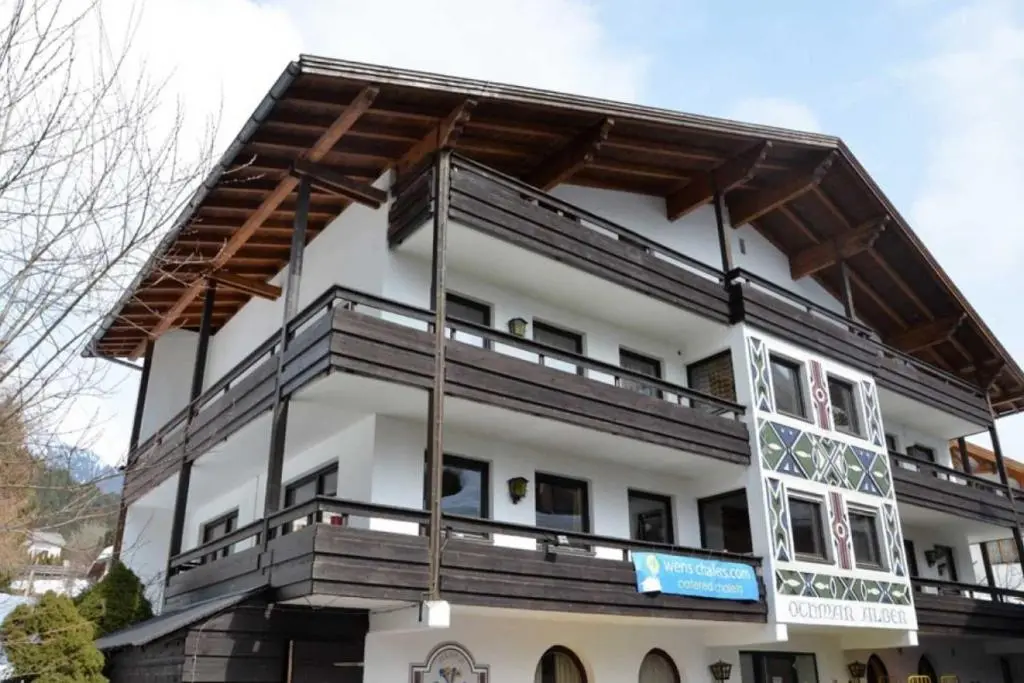 St Anton am Arlberg6 staysSölden12 staysSaalbach-Hinterglemm7 stays
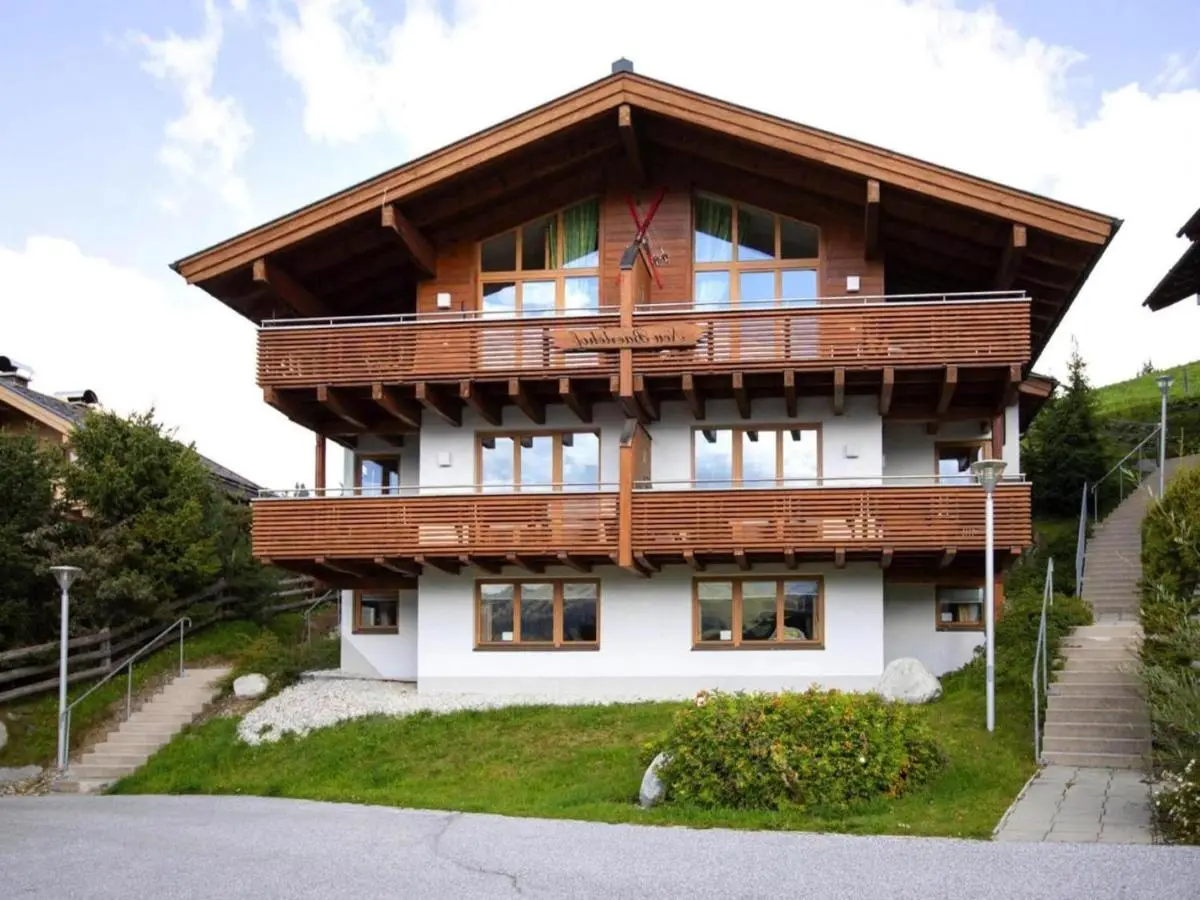 Königsleiten8 staysZell am See3 stays
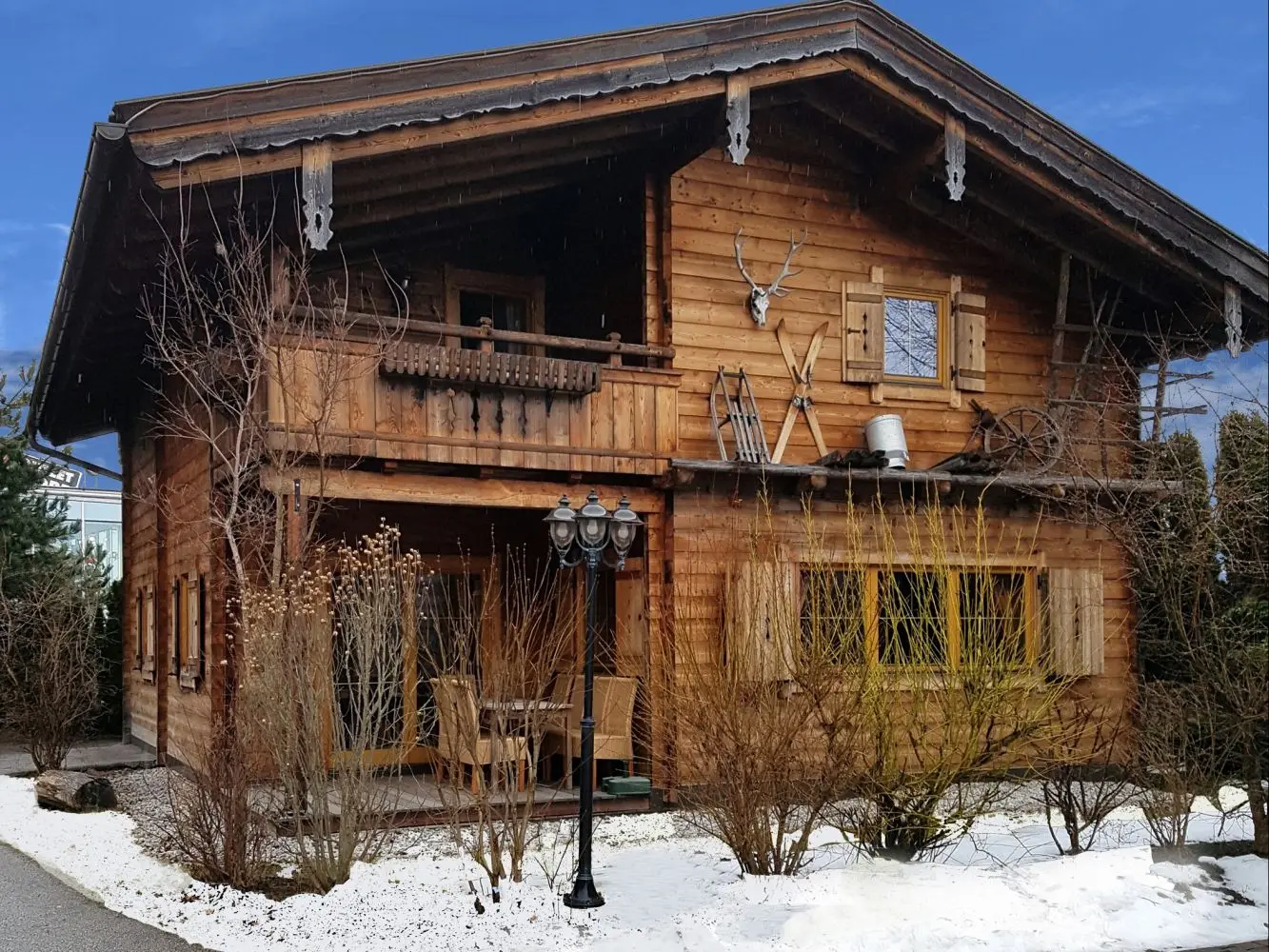 Zillertal11 stays
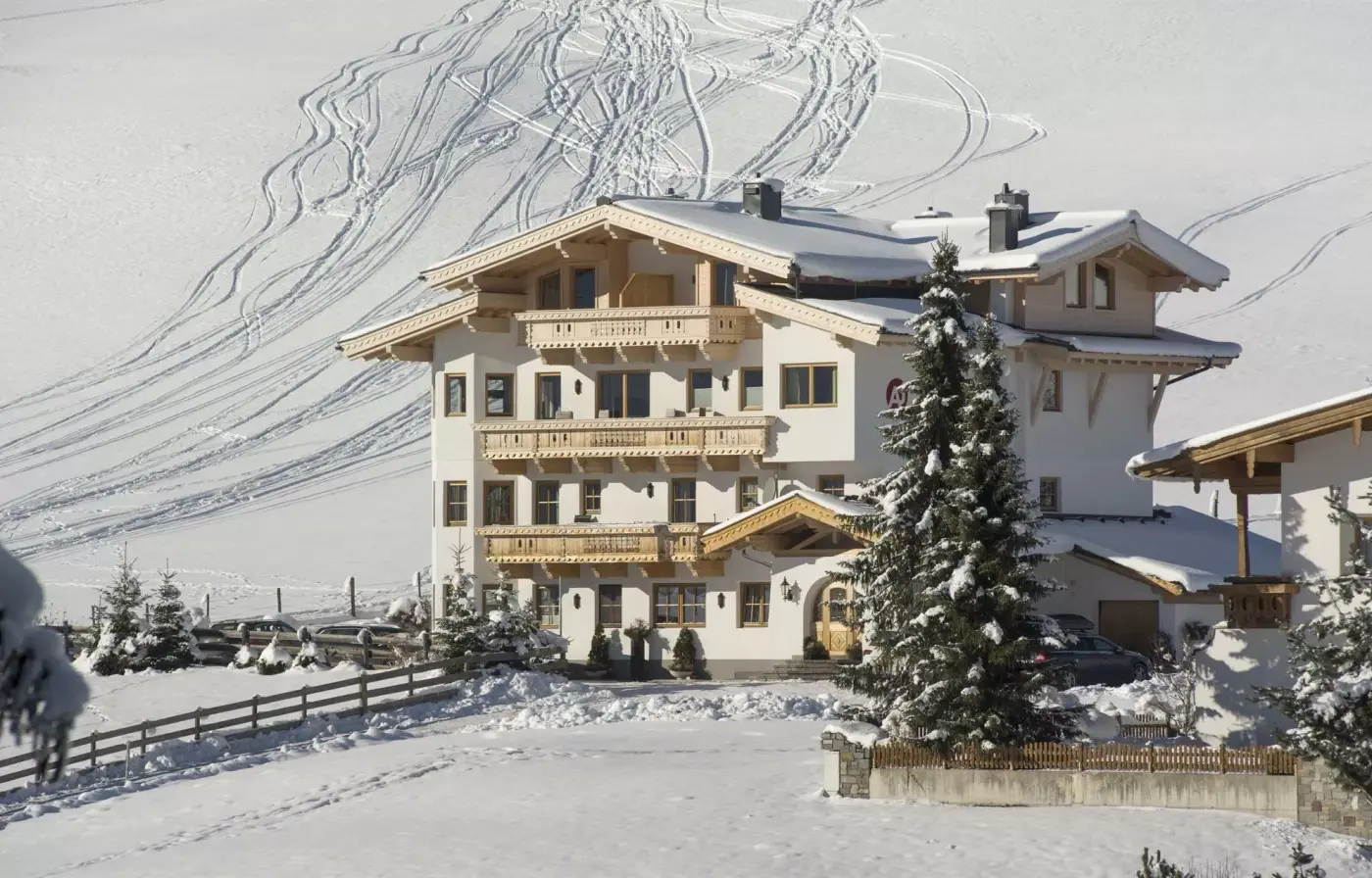 Zillertal Arena13 stays
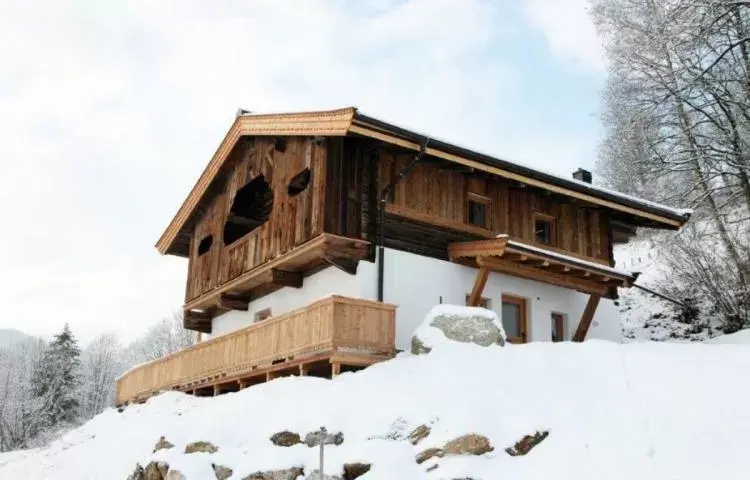 Kitzbühel and Kirchberg8 staysSki amadé: Flachau, Wagrain and Großarl10 staysNeukirchen and Bramberg3 stays
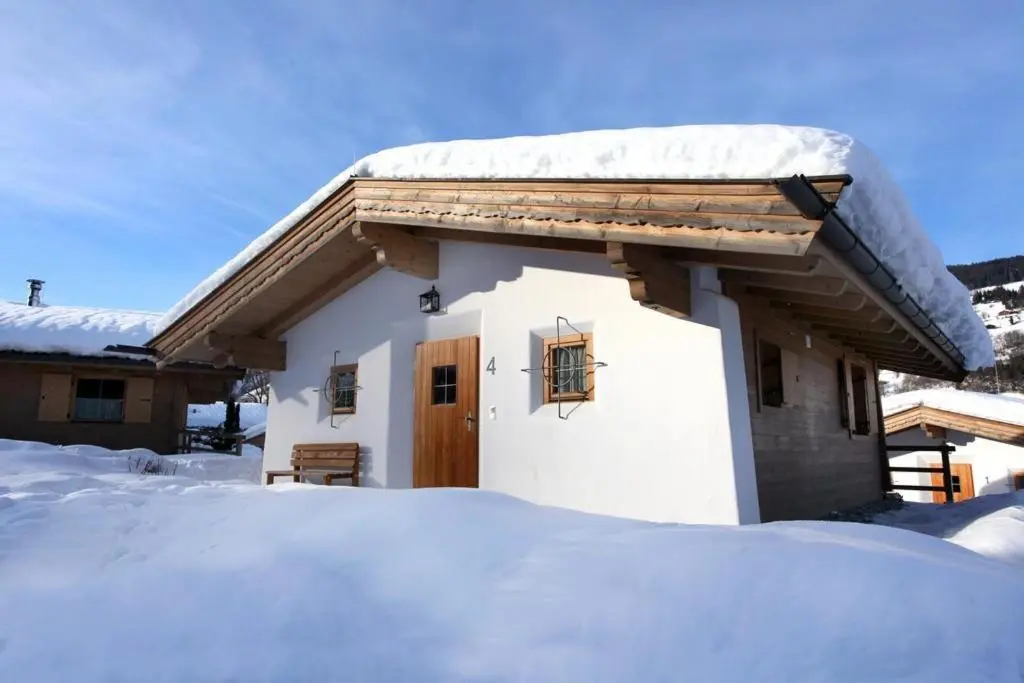 Brixen im Thale and the SkiWelt10 stays
Or choose by type: ski chalets, large group chalets, chalets with a sauna or hot tub, ski apartments and small hotels.
Browse the stays that pass our checks and save the ones you like.