Private spa
Schröcken, Vorarlberg
Aadla Walser-Chalets
Apartment hotel
- Private sauna
- Hot tub
Details as listed by the owner

Start with the village plan and the named house. A development's best photograph may show a different category, a shared pool or a view from another part of the site. For several families travelling together, the relationship between houses and communal spaces can matter as much as the specification of one chalet.
Stays mentioned in this guide
Schröcken, Vorarlberg
Apartment hotel
Details as listed by the owner
Turracher Höhe, Carinthia
Apartment hotel
Details as listed by the owner
| Model | Private space to establish | Shared element to investigate |
|---|---|---|
| Detached chalet in a managed village | House, terrace and any private spa | Reception, restaurant, paths and activities |
| Chalet-style apartment | The apartment and its entrance or terrace | Building, pool, sauna or hotel facilities |
| Several houses booked by one group | Each named house and its beds | A place to dine together and move between houses |
| Exclusive whole development booking | The units and common areas named in the contract | Any owner, staff or public access that remains |
The phrase chalet village does not guarantee one particular level of privacy or service. Austria's national tourist office presents a broad range of alpine hut and chalet villages, illustrating how varied the product can be.1
Aadla's operator describes seven private chalets above Schröcken, with breakfast included and sauna and hot-pot facilities. Its smaller and family categories have different occupancies. That gives you a concrete house-and-service model to compare, rather than an assumption that all villages are fully self catered.2
For one household, choose the house layout and daily ski route. For two or three households, request the actual house positions and ask whether adjacent units can be reserved. A small development does not ensure that all availability falls beside one another.
The Warth and Schröcken guide explains winter arrival and pass choices. Those destination details remain important even when the resort manages breakfast and other services.
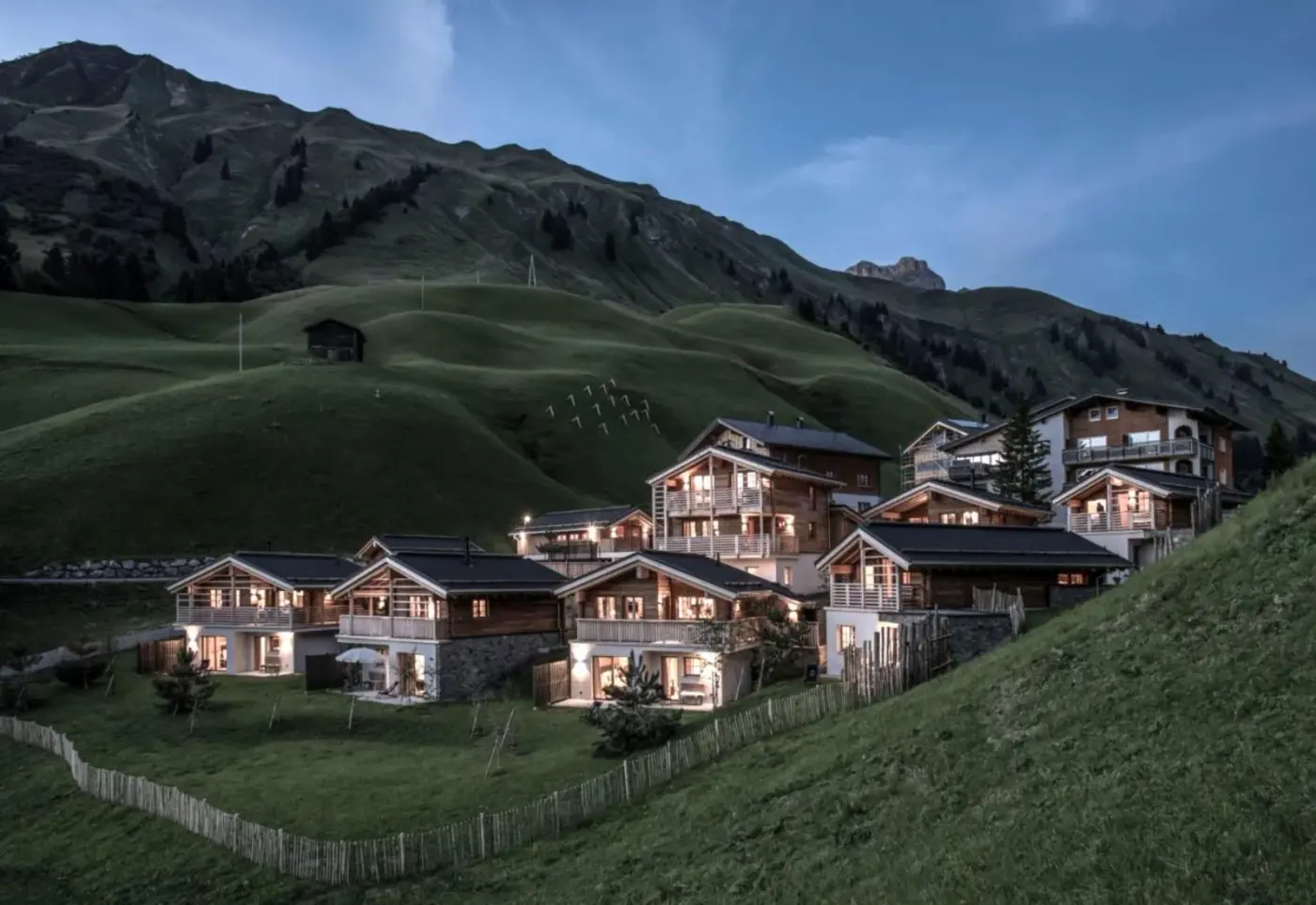
MarktlAlm provides its own village map and publishes restaurant information for the resort. Use those practical tools to compare house locations and the way you intend to eat. A restaurant within a development is useful, but it is not automatically a meal plan included in every chalet rate.3
If several families want dinner together, check whether you will use the restaurant or a house. Ask about reservations, children's meal times and the number who can dine in the chosen private space. Sleeping capacity alone is not a plan for a shared celebration.
The Turracher Höhe guide helps distinguish this resort from other chalet products in the destination. Keep the development and house category together whenever a regional search combines them.
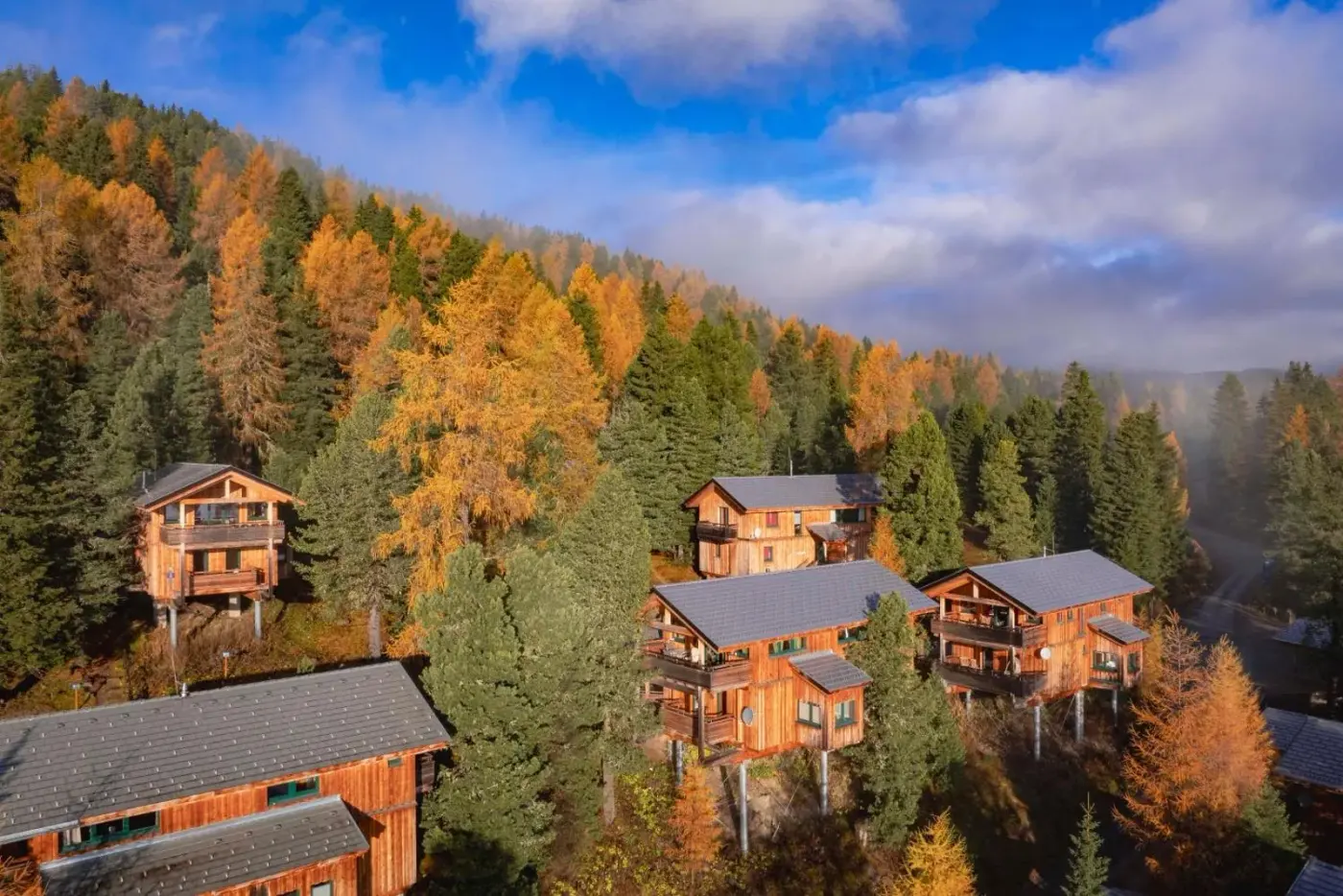
Alpenpark Turracher Höhe is a managed chalet collection with varied capacities and private facilities. That makes the house number and layout important to the booking. A general development description should be followed by an exact unit confirmation.4
For a larger party, ask who uses bunk beds, whether the lounge remains free and how bathrooms serve the bedrooms. If a private tub or sauna is essential, retain its type and location on the same record as the house number.
Guest-card benefits and organised activities also need separate confirmation. A development can participate in a programme without every activity being included for every date, available without reservation or suitable for everyone in the group.
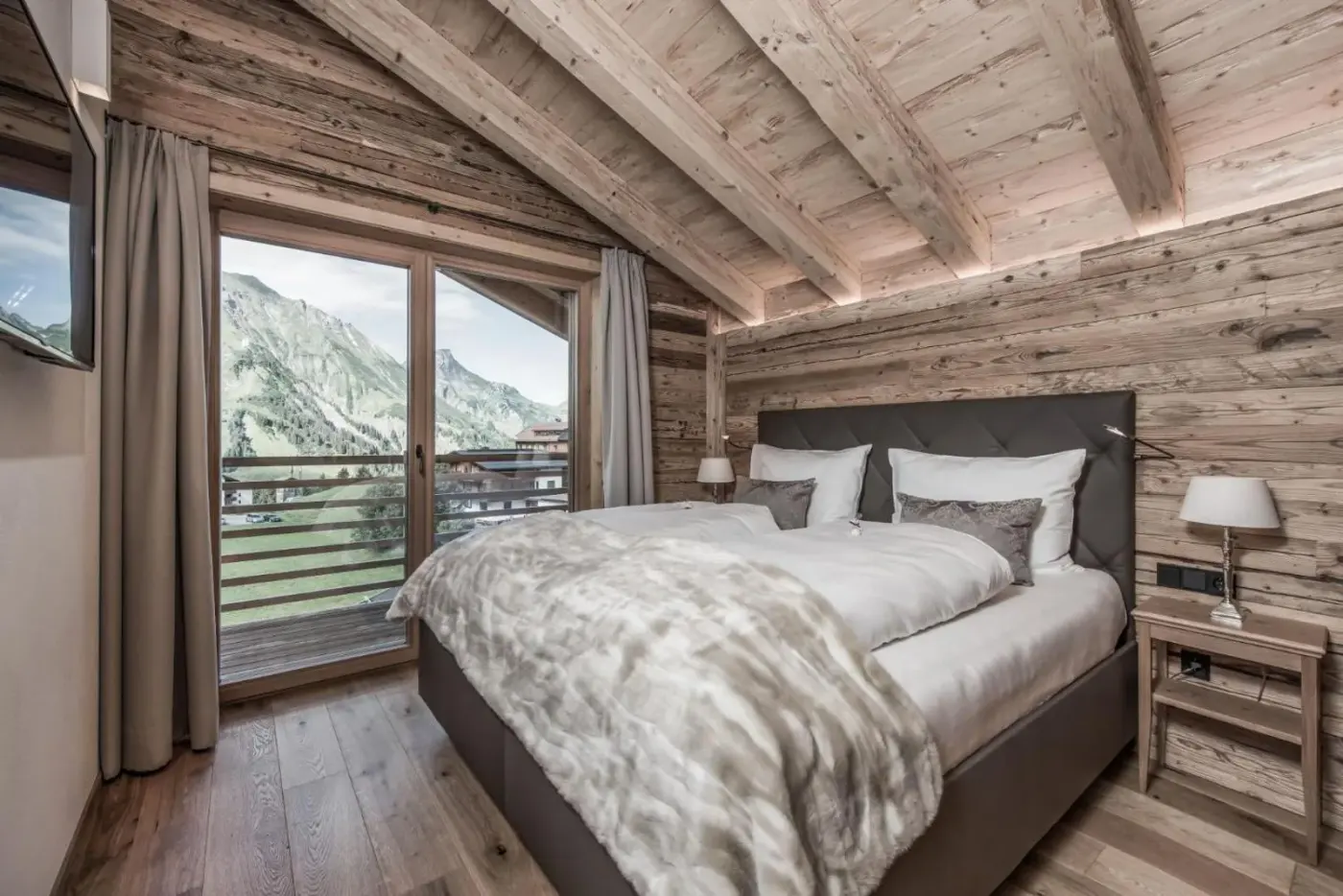
LA SOA's published collection ranges from a Nest Chalet for two through several larger chalet categories, with a suite also offered in the main building. This illustrates why a village-wide label should not replace an exact accommodation type.5
A couple and a large family may enjoy the same destination while needing different amounts of private space and different service. For a mixed group taking several units, the goal may be separate sleeping arrangements plus an agreed place to meet.
The guide to chalets for two explores that smaller booking. For a larger celebration, compare the group chalet selection against the alternative of several village houses.
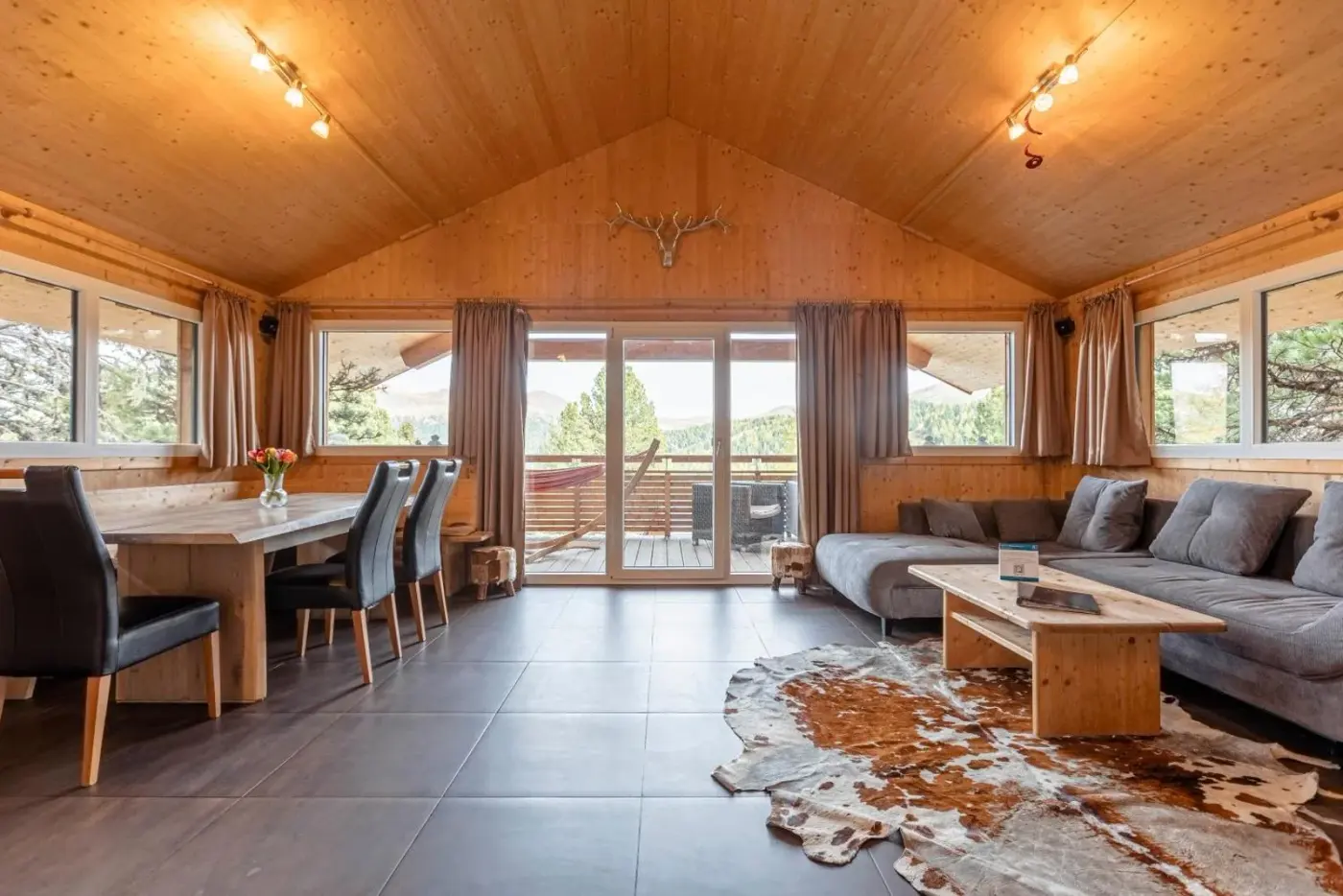
Mark the proposed house, parking, reception, restaurant and any shared pool on the map. Identify steps, gradients and the route used by deliveries. For a family, check the journey with a pushchair or tired child rather than estimating from a resort photograph.
If the resort is spread over a hillside, a shared facility can be some distance from the house. Ask whether that route remains practical after dark and in the season you are visiting. The same layout may feel different in summer shoes and winter boots.
For several units, do not assume adjacency. Have the house numbers and location confirmed, or understand that allocation may happen later. If being together is a requirement rather than a preference, make that clear before paying.
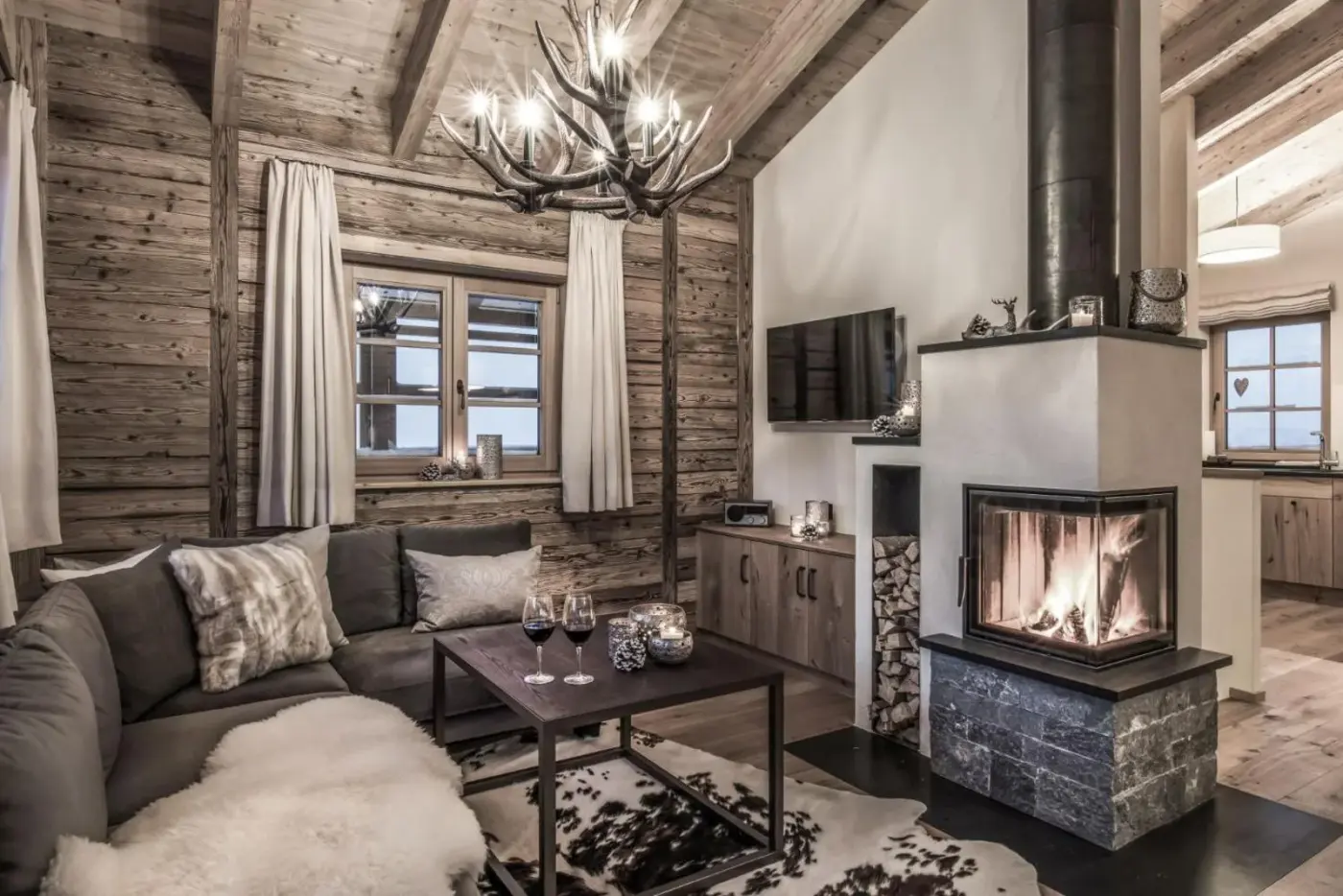
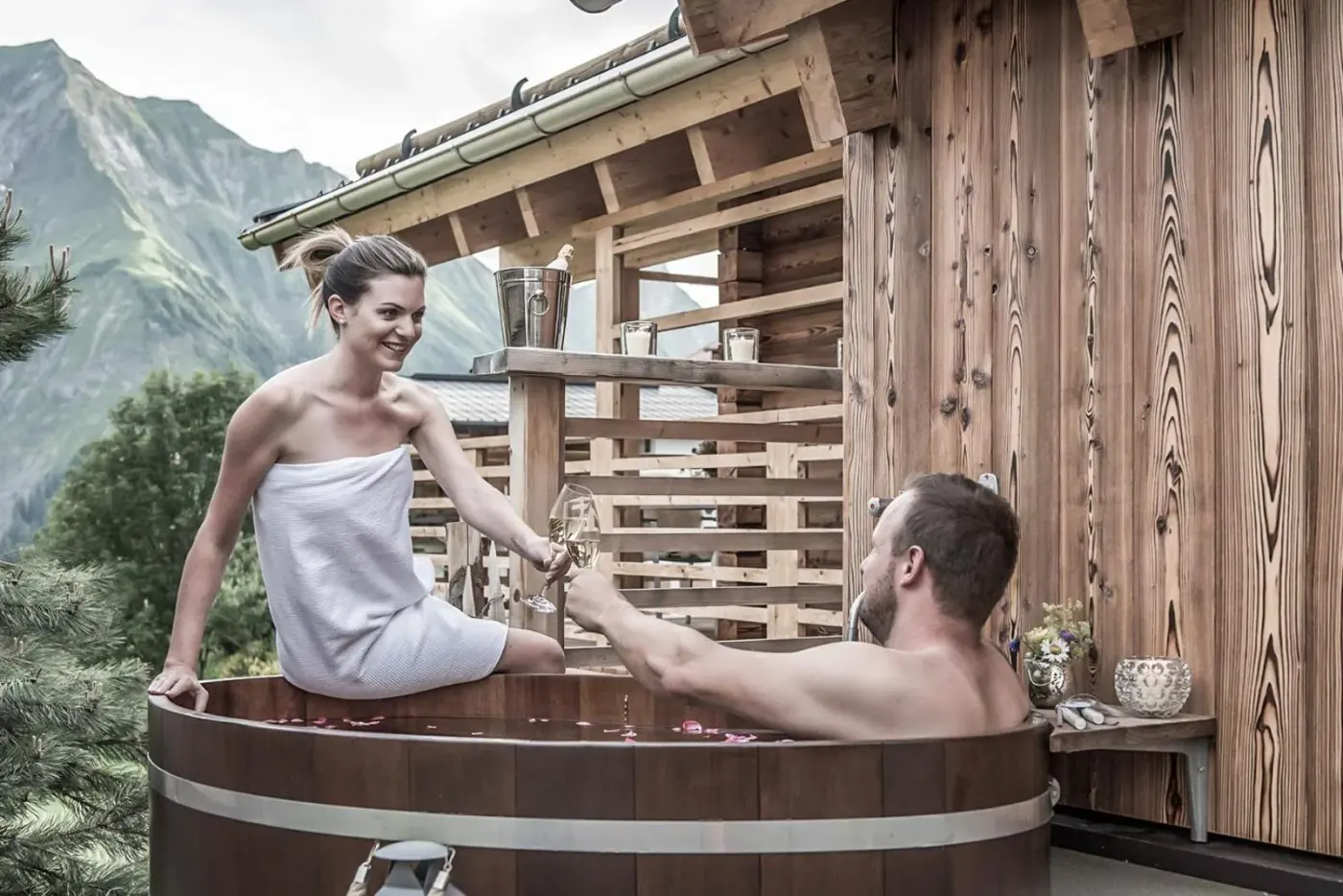
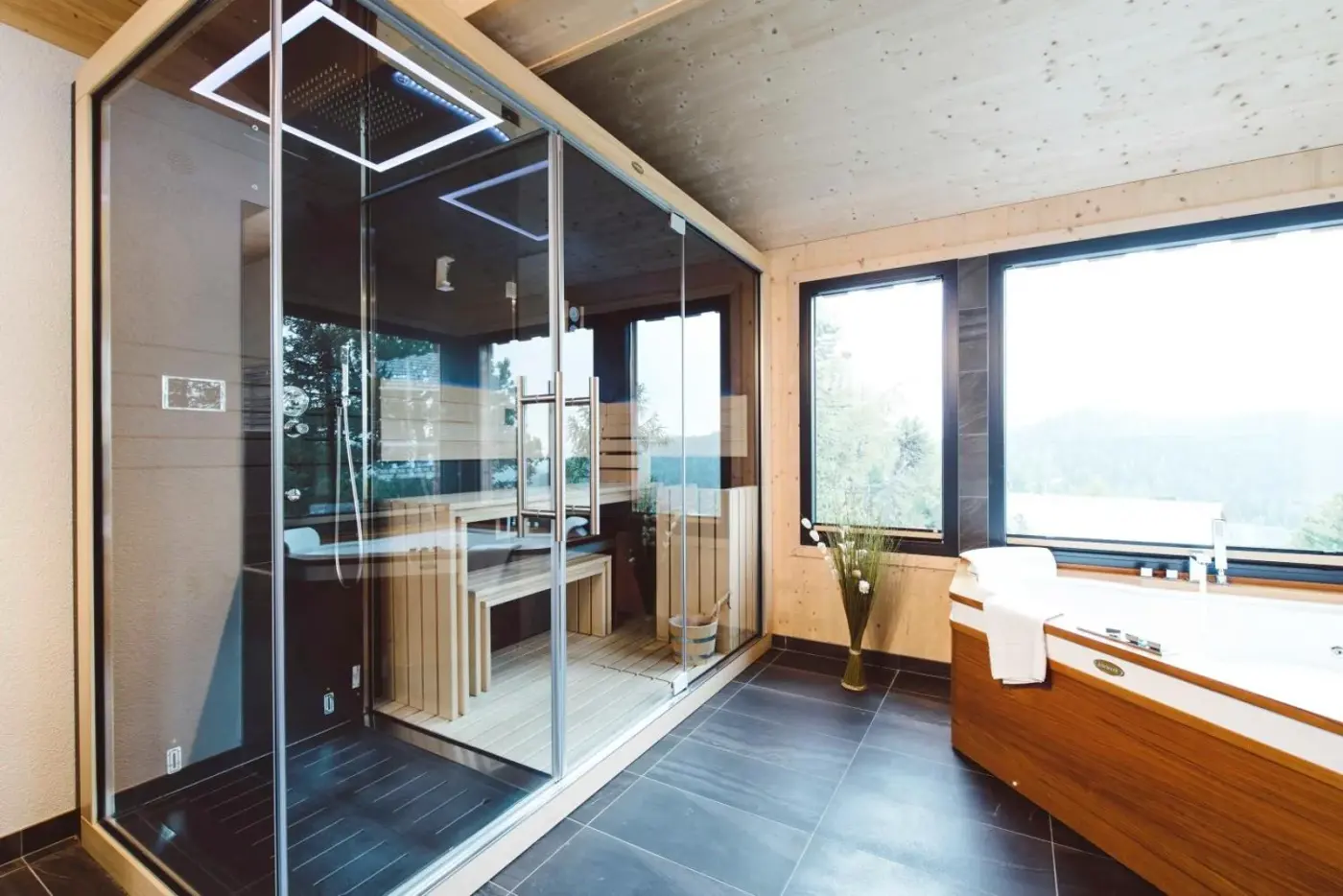
An in-house sauna, a terrace hot tub and a resort swimming pool should appear as separate fields. If the main requirement is swimming without other guests, use the private pool guide and book a category whose operator explicitly promises that facility.
Ask who else uses the wellness space, its operating period and whether access is included or booked in time slots. For a family, assess how entry to water is controlled and how the facility connects with the house.
Do not treat an activity card as a substitute for accommodation facilities. It may offer selected outings while the shared pool has its own terms. Keep the exact card name and date conditions with the booking.
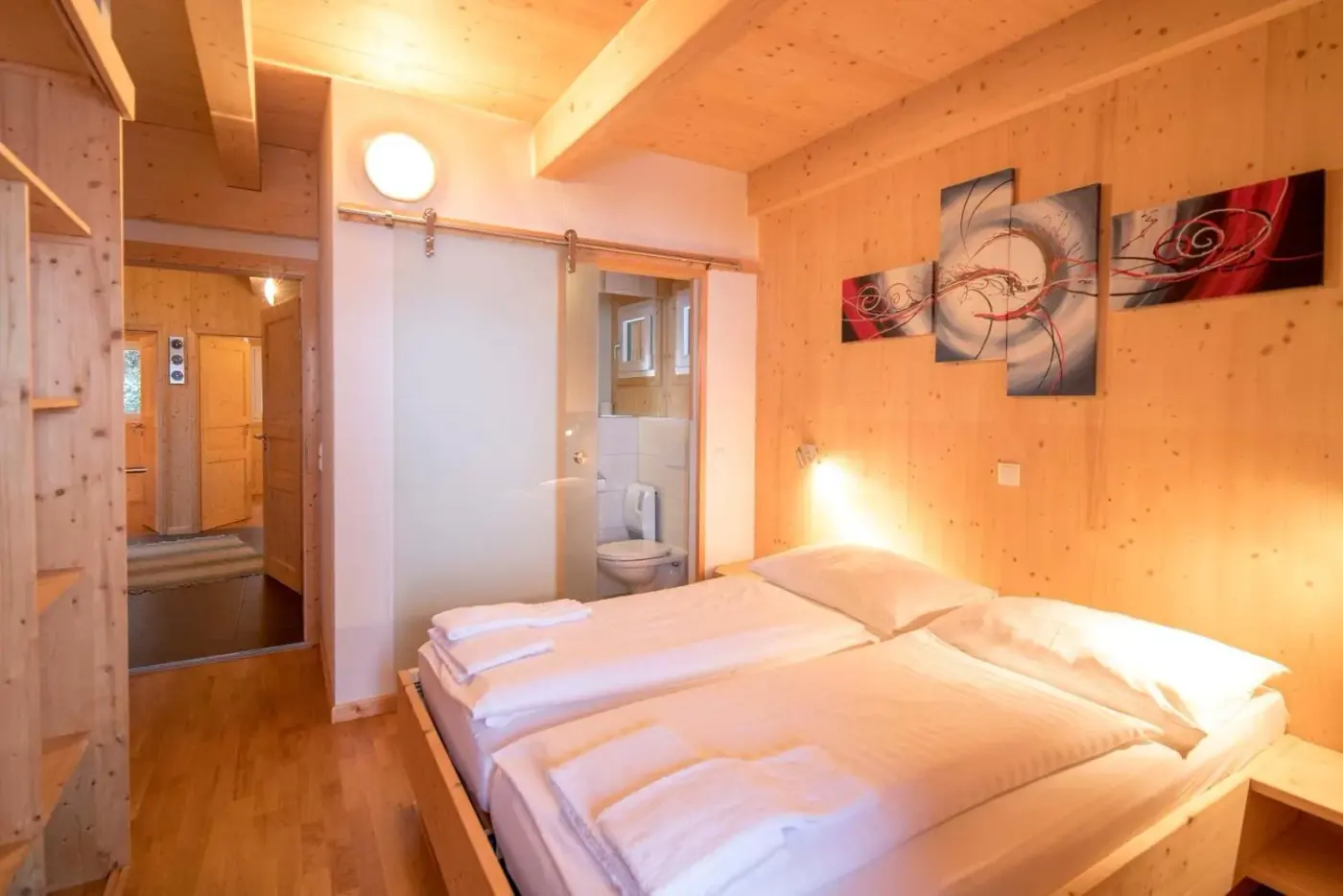
Several smaller houses can suit families with different bedtimes and daily routines. A single large chalet can make shared meals and social time more straightforward. Compare the actual common spaces before choosing either arrangement.
For example, three households may prefer their own kitchens and bathrooms but still want dinner together every evening. The village option needs either a suitable reserved restaurant or permission and enough dining capacity in one house. Do not assume everyone can gather in whichever chalet has the largest advertised floor area.
For a whole-house booking, assign bedrooms and discuss noise, food and cleaning responsibilities. For several units, agree how costs and cancellations are handled if one household withdraws. Those are group arrangements alongside the provider's booking terms.
List the services included in the selected rate: breakfast, linen, final cleaning, intermediate cleaning and any transport. Then list optional services the group expects to buy. A serviced village can provide useful organisation without the same meal schedule as a catered chalet.
Arrange the first evening's food and the check-in location before arrival. A central reception may not be beside the house; obtain the instructions rather than following a map directly to an unstaffed door. If guests arrive separately, check how keys and parking are handled.
Use the catered comparison guide for meal arrangements and the cost guide to compare the final total. Avoid counting services twice when one rate already includes them.
Practical answers
No. Some collections include apartments or suites. Confirm the exact building arrangement of the named unit.
Ask the provider to confirm house numbers and adjacency. Shared availability in a development does not guarantee houses next to each other.
Only if the booked meal plan says so. A restaurant on site is a facility, not an automatic catering entitlement.
No. Establish the access rights of each facility separately.
When the bed arrangement and common spaces support the group's shared routine better than several houses. Compare dining and living areas alongside bedrooms.
Compare Warth and Schröcken, Turracher Höhe and group stays with the village plan and named units. The arrangement between the houses is part of the holiday you are choosing.
Pick a stay, enter your week and see live availability and prices with the provider.
Every fact on this page comes from the operator or an official source named here, and where possible a second source. Where sources disagreed, we left the detail out or said so.