
Start with St Anton or Zell am See if arriving at a station within the resort is important. Consider the Zillertal for a railway along the valley, or Lech if you are comfortable adding a bus or transfer. The exact property still matters more than a resort's general reputation for good transport.
Compare four different transport models
| Base | Rail approach | How to judge the chalet |
|---|---|---|
| St Anton | Railway station within the village | Walk or local transfer from the station and the actual route to the first lift |
| Zell am See | Railway station in the town centre | Access to your chosen mountain and the food shop, rather than the station alone |
| Zillertal | Change at Jenbach for the valley railway | Choose the right stop, then check the last section to the accommodation |
| Lech | Rail to Langen or St Anton, then onward by road | Check the final bus or transfer and any Oberlech arrival arrangements |
These are route structures, rather than bookable itineraries. Enter your own travel date and departure point in the current railway planner before reserving the chalet.
St Anton for arriving in the village
The lift operator identifies St Anton as a Railjet and EuroCity stop, with the station close to the village centre and cable cars. That makes it a useful starting point for a car free shortlist.1
However, a chalet advertised under St Anton can still be outside a comfortable walk from the station. Compare the actual address, not the resort name. If you need a taxi for arrival, you may still manage the whole holiday without a car, provided the daily lift and shopping journeys work.
For catered guests, having meals at the chalet can remove much of the food shopping. Ask about the staff's evening off and how you reach a restaurant that night. The St Anton accommodation guide helps narrow the property search; it does not replace checking the route for your chosen house.
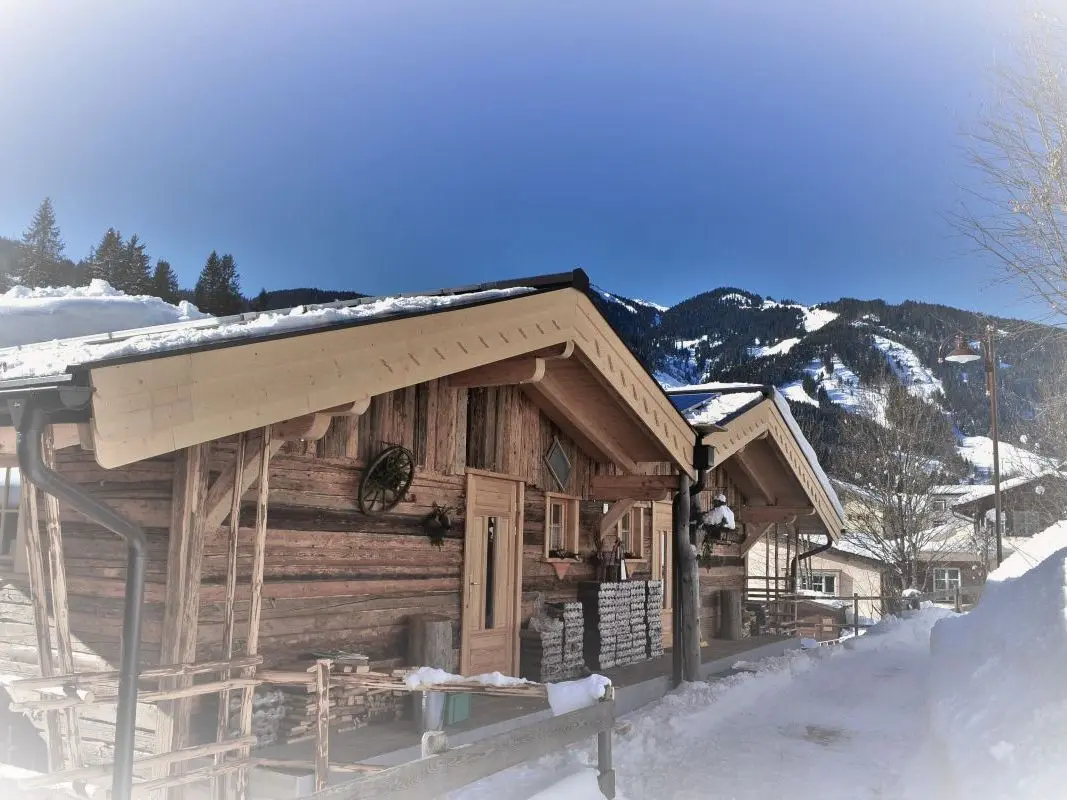
Zell am See for a town base
Zell am See's railway station is in the town centre. The local tourism authority describes onward buses for Kaprun and other regional destinations, so a booking in Kaprun adds another part to the arrival journey.2
An important distinction is the Guest Mobility Ticket. The region describes public transport coverage across SalzburgerLand, with exclusions including steam and special trains and night bus services. It is separate from mountain lift access. Ask your host how the ticket is issued and whether it is valid for your intended arrival journey.3
Keep the morning route attached to your ski plan. A chalet convenient for the town may require a bus to the mountain you want that day. For a mixed group, that can still be a good arrangement if non skiers can leave the house independently. Browse Zell am See stays with both routines in mind.
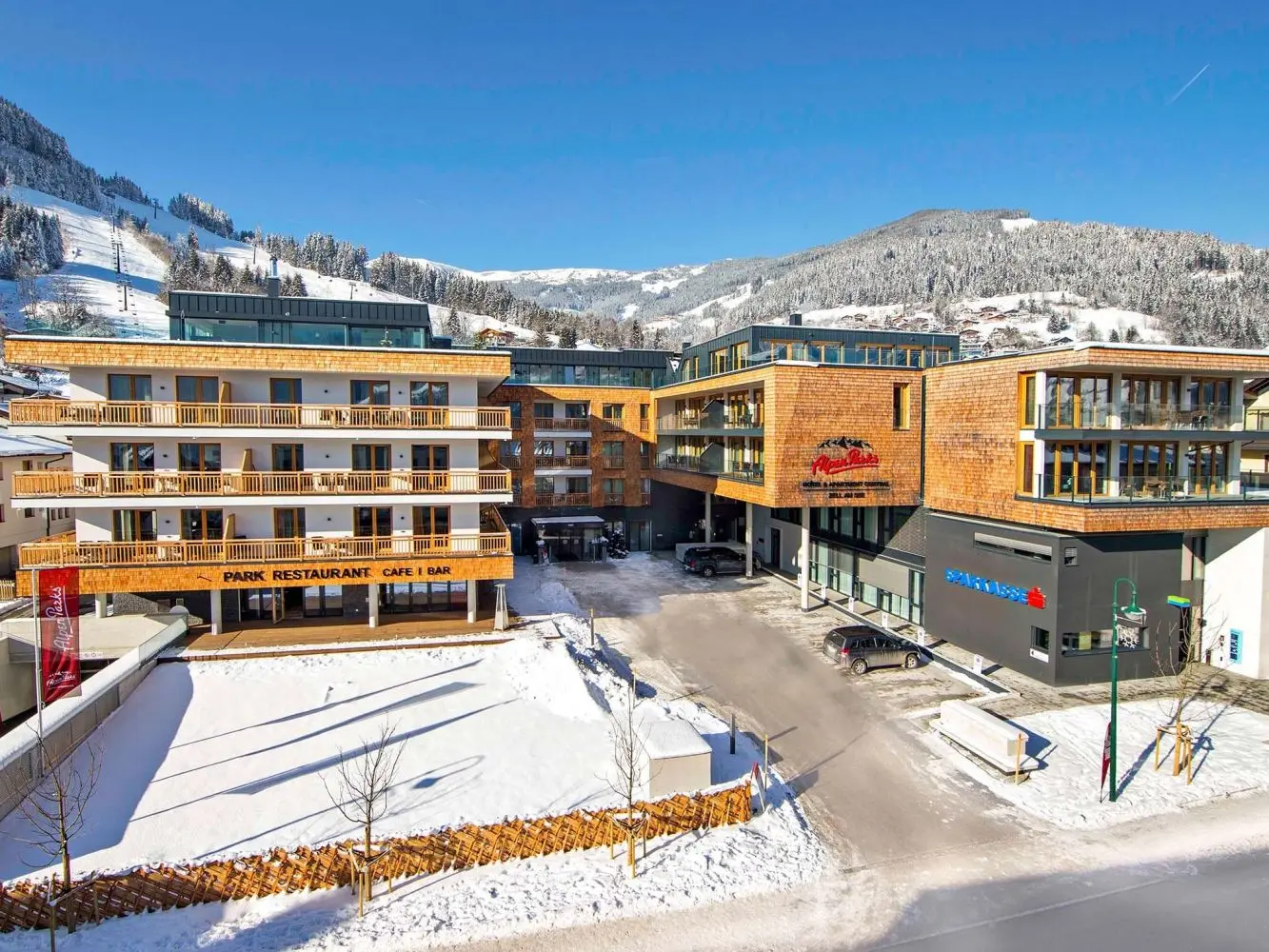
The Zillertal for a valley railway
The Zillertalbahn connects Jenbach with Mayrhofen along a 32 kilometre route. Use the current timetable rather than assuming an old winter service or a steam train excursion operates for your dates.4
The benefit is flexibility among railway settlements, but that does not make every hillside chalet convenient. A short distance from a railway stop can involve a steep road. If your selected skiing starts elsewhere, you may need a connecting ski bus as well.
Look at Zillertal chalets by the closest useful station and the first lift you expect to use. Carrying luggage once is different from carrying ski equipment twice a day, so assess those journeys separately.
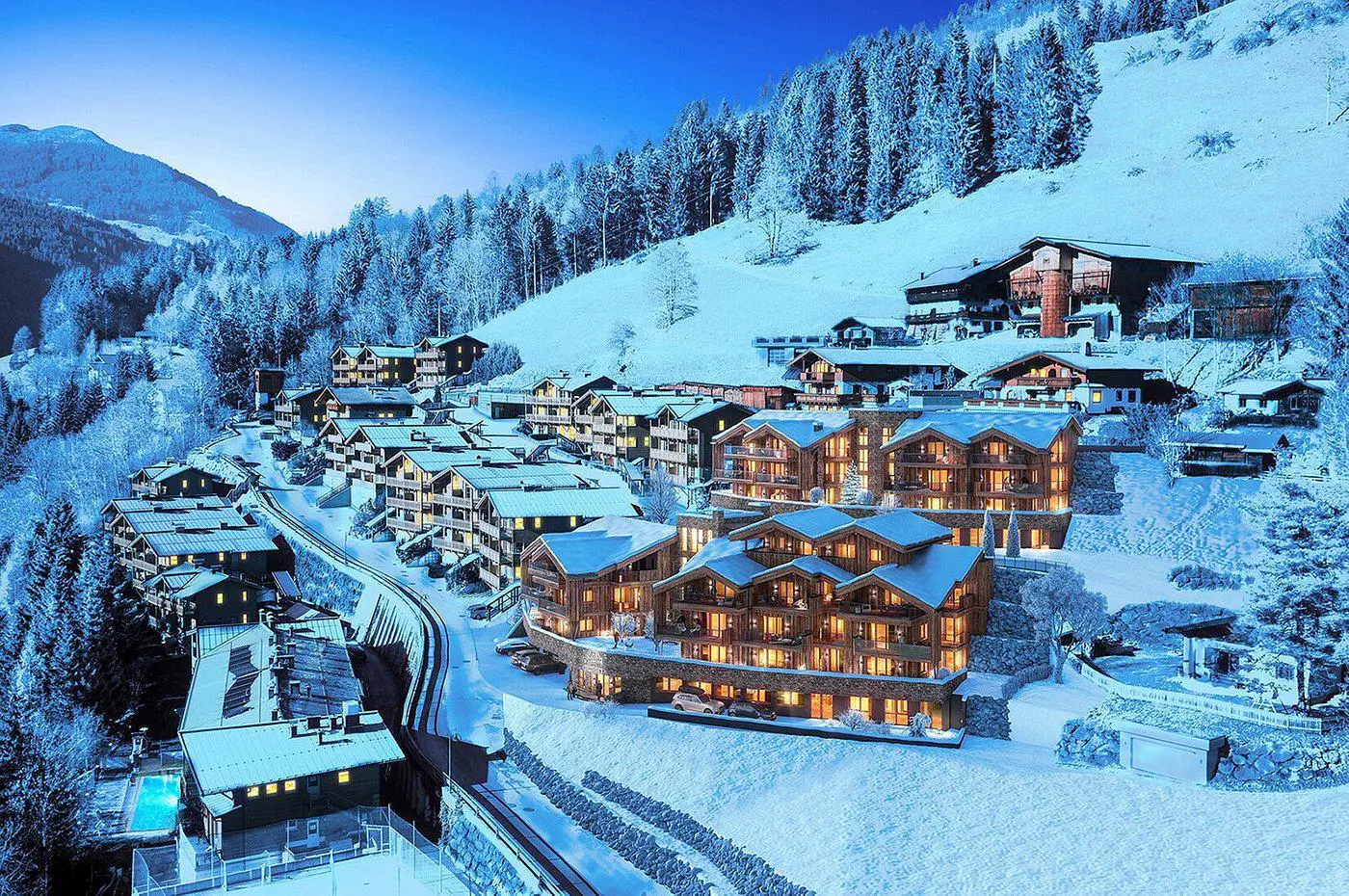
Lech with a planned final connection
The tourist board lists rail gateways at Langen am Arlberg and St Anton, with onward bus or transfer connections. That can make Lech practical without a hire car, but the connection should be planned before selecting an arrival train.5
For an Oberlech stay, ask the host for the complete route from the station to the front door. The Lech and Oberlech guide explains why winter arrival arrangements need to be tied to the property's exact district.
Avoid a journey dependent on the final connection of the night unless you have an agreed alternative. If luggage, children or late check-in complicate the trip, price a private final transfer alongside the rail ticket. Using one transfer can be a sensible part of an otherwise car free week.
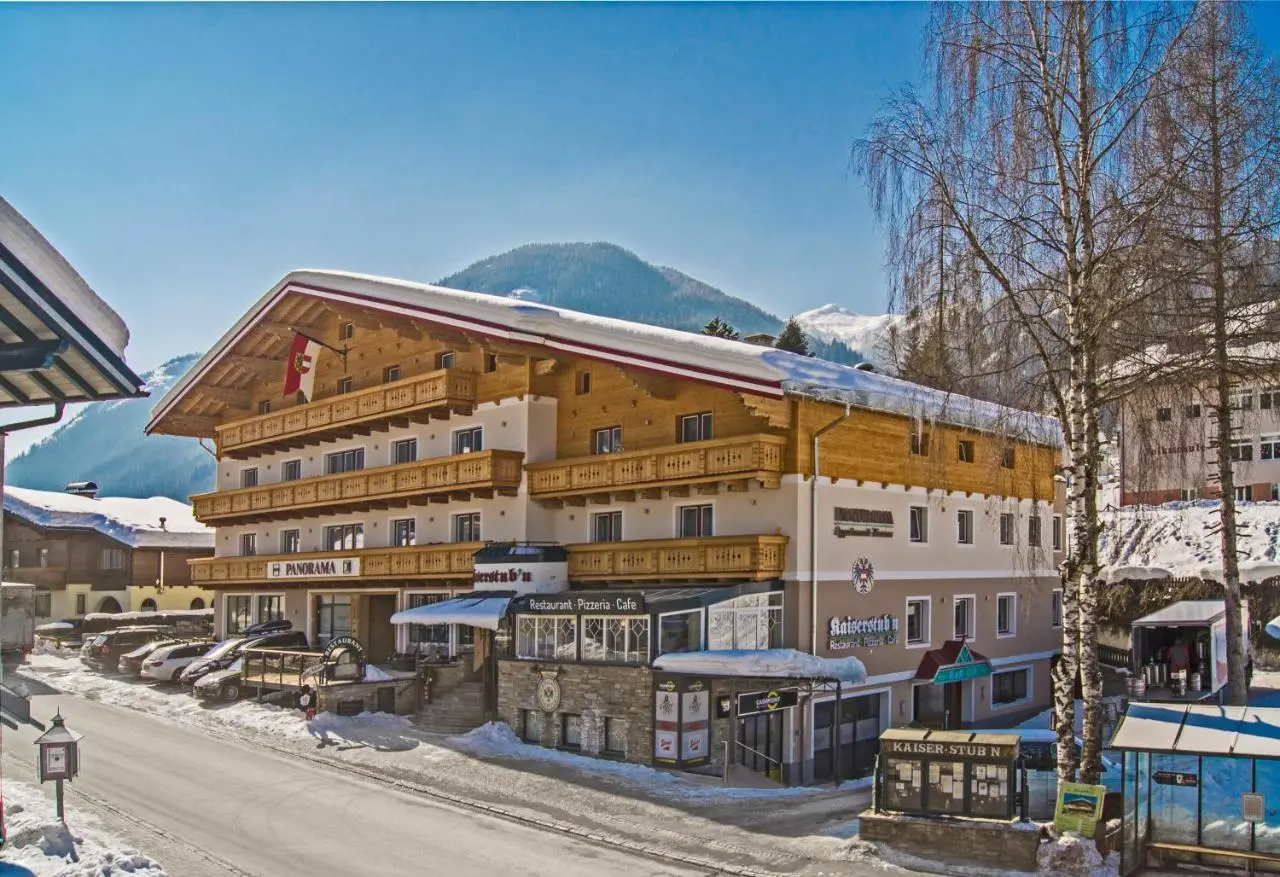
The four journeys every property must pass
First, test arrival with all bags. Look for stairs, check-in timing and the last section from the stop. Second, test the ordinary ski morning with boots and equipment. Measure the journey to the lesson meeting point if that differs from the gondola.
Third, plan food. Check how you obtain breakfast and the first evening meal, and how you replenish groceries later. A chalet kitchen is useful only if shopping is manageable. Fourth, test the evening return, including the night someone chooses to stay out later than the rest.
Reject the idea that a place is convenient simply because a bus stop is nearby. Confirm the correct direction, operating dates, ticket conditions and the final service. Check whether the same stop serves the return journey.
Ski storage can change your accommodation choice
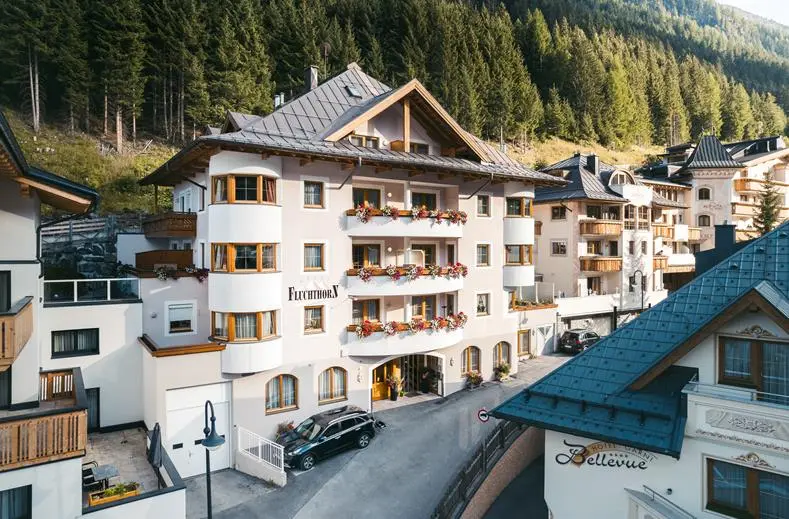
Ask whether equipment can stay near the lift overnight. A suitable depot may turn a tolerable walk in outdoor shoes into an easy routine, while a boot room at the chalet still requires everyone to carry equipment back.
Confirm whether depot access, drying and a locker are included or charged. Check capacity for the whole party. If children finish lessons at a different place, a single shared locker may not solve everyone's route.
Guests with mobility needs should request step information, walking surfaces and the accessibility of the whole transport chain. A bus or train being accessible does not establish that the route from it to the chalet is suitable.
A suggested seven night routine
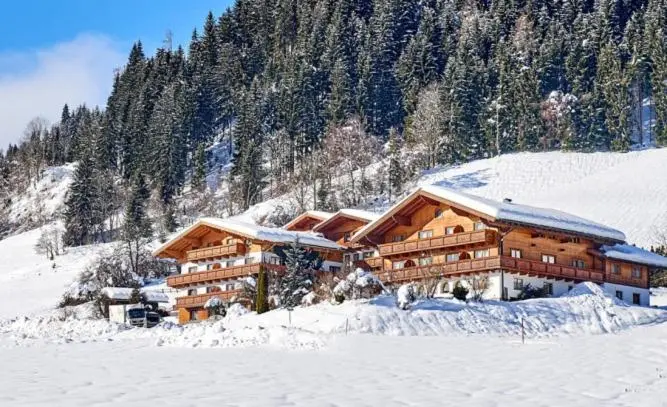
Use arrival day for the transfer, essential food and checking the first morning's route. Keep the first ski day simple until the group understands the connections. On the next days, allow independent departures rather than expecting everyone to board the same bus.
Schedule a food delivery or substantial shop before supplies become urgent. For departure, leave time for key return, the first connection and luggage. If the last morning is intended as a ski day, arrange storage and changing facilities in advance.
This is a planning example, rather than a timetable. It works because it resolves recurring tasks before trying to add excursions elsewhere in the valley.
Practical answers
Questions about ski holidays without a car
Is ski in and ski out necessary?
No. A straightforward walk or a useful bus connection can work well. Check the actual journey for the least mobile person in the group.
Does a guest card include the ski lifts?
Not automatically. Public transport, excursion cards and ski passes can be separate products. Read the coverage of the exact card issued by your accommodation.
Can we bring our own skis by train?
Check luggage rules and storage on every operator in your itinerary. Also compare hiring equipment in the resort if several changes make carrying it inconvenient.
Is a chalet outside the centre unsuitable?
It can work if its transport is dependable and the group accepts that routine. A property requiring a taxi for every ordinary journey deserves a different budget from a central one.
Where should we start looking?
Start with St Anton and Zell am See for a station in the resort, then compare the exact property location. Use the general arrival guide for the wider journey.
Keep planning
Where to read next
Pick a stay, enter your week and see live availability and prices with the provider.
Sources used on this page (5)
Every fact on this page comes from the operator or an official source named here, and where possible a second source. Where sources disagreed, we left the detail out or said so.